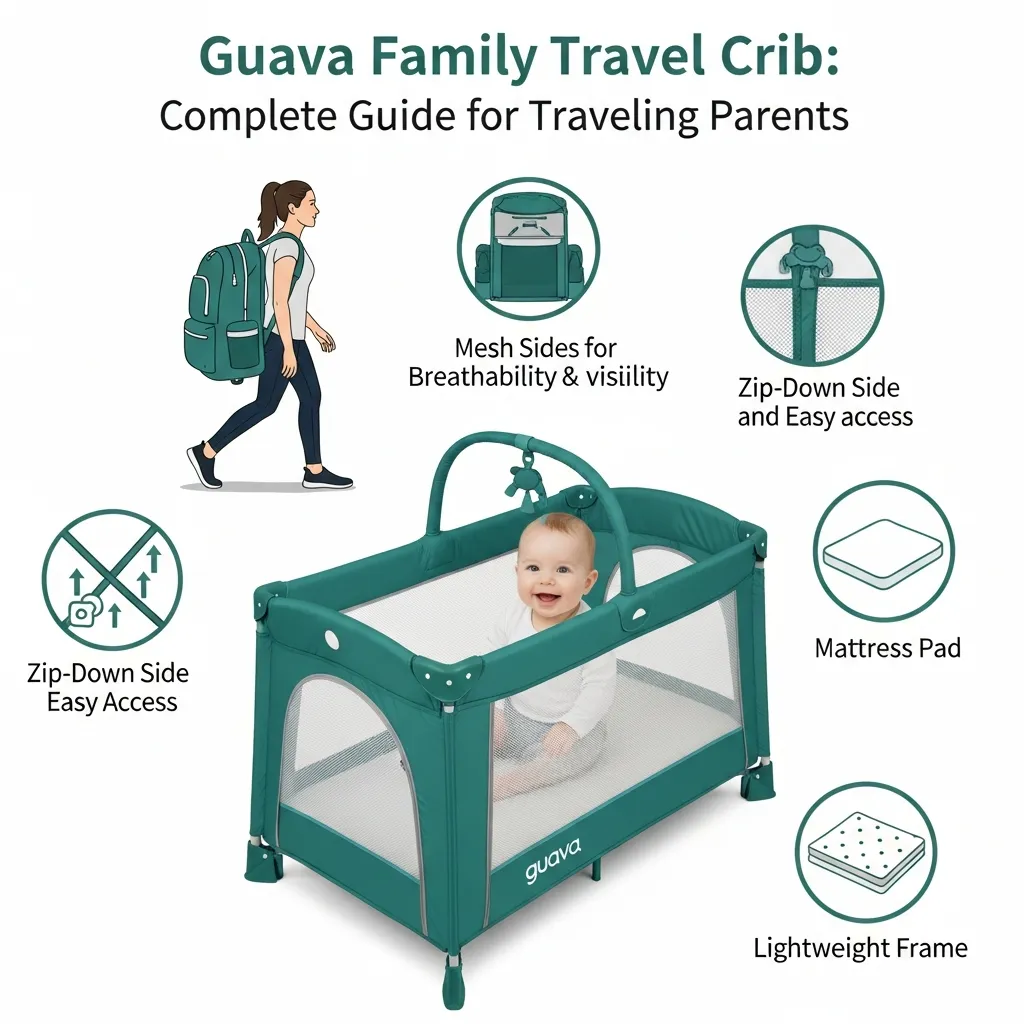
The Guava Family Travel Crib has become one of the most trusted portable sleep solutions for parents who travel with babies and toddlers. This guide covers what makes it different from a standard playard, how to set it up and pack it, who it’s best suited for, and the safety standards it’s built around. You’ll also find 12 answers to the most common questions parents ask before buying one, plus a few packing and road-trip tips from experienced traveling families.
Why Traveling Parents Choose the Guava Family Travel Crib
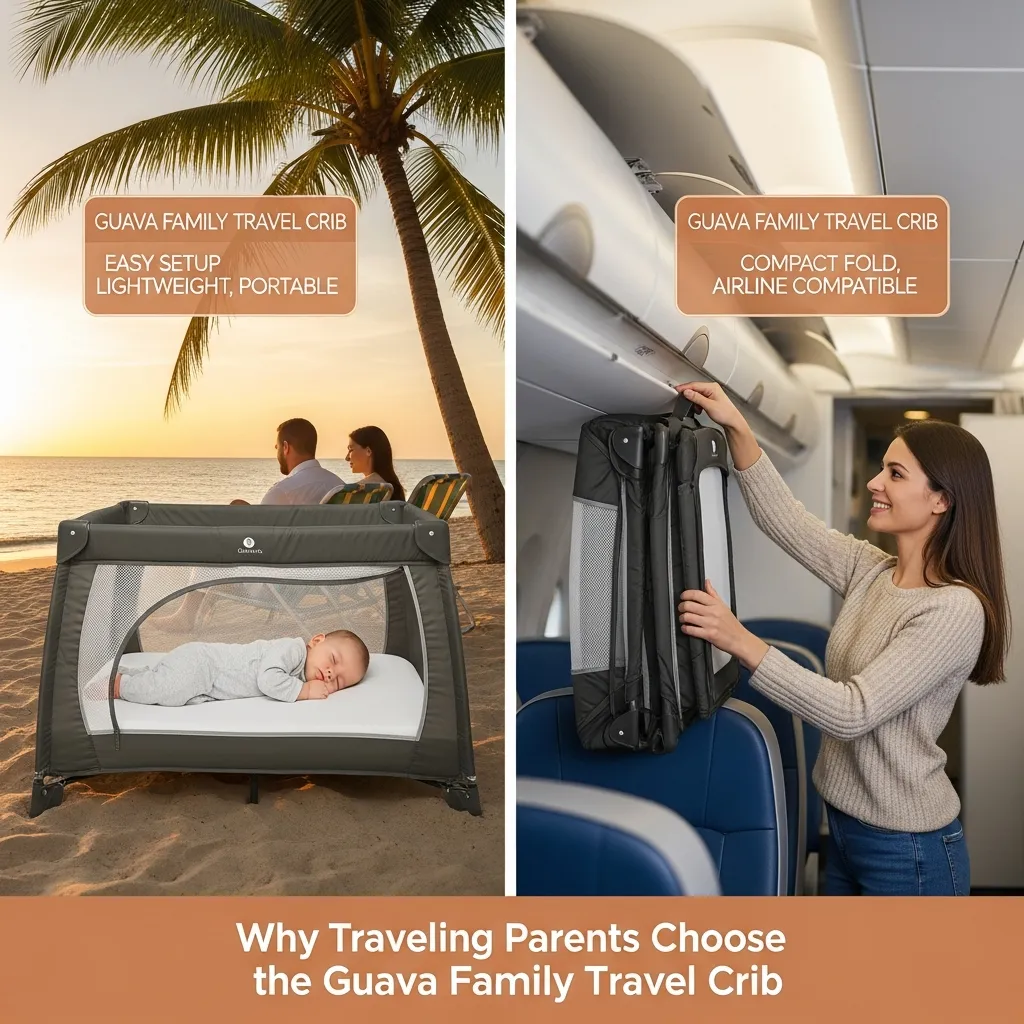
Finding a safe place for a baby to sleep away from home is one of the biggest headaches of family travel. Hotel cribs are often worn out, Airbnb hosts don’t always have one, and lugging a full-size play yard through an airport is nobody’s idea of fun. The Guava Family Travel Crib was designed to solve exactly this problem — a lightweight, backpack-portable crib that folds down small enough to carry hands-free through security lines, train stations, and rental car pickups.
Unlike bulky traditional play yards, this crib uses a floor-resting mattress design instead of a raised frame. That single design choice removes the squeaking, shifting, and wobble that make many portable cribs frustrating to use night after night, whether you’re on a weekend getaway or a month-long trip abroad.
Key Features of This Travel Crib
- Backpack-style carry bag — the crib’s carrying case converts into a backpack, so parents can keep their hands free while managing strollers, car seats, and diaper bags
- Lightweight build — at roughly 13 pounds, it’s noticeably lighter than most traditional portable cribs
- Floor-resting mattress — reduces movement and noise compared to elevated-frame cribs
- Full mesh sides — improve airflow and visibility so parents can check on their baby without leaning over the top
- Side zipper door — makes it easier to comfort a baby or lift them out without reaching over a tall rail
- No listed weight limit — because the mattress rests on the floor rather than a suspended frame, it can typically be used from infancy through the toddler years
- Machine-washable cover and sheet — practical for spills, diaper leaks, and long trips
Setting Up and Packing This Travel Crib
One of its biggest selling points is how quickly it goes from bag to bed. Most parents report being able to set it up or fold it down in under a couple of minutes once they’ve done it a few times. A few setup tips from experienced users:
- Practice at home first. Don’t open it for the first time in a dark hotel room at midnight — do a trial run before you leave.
- Pack the sheet separately. Keeping a spare fitted sheet in an outside pocket saves you from digging through the whole bag if there’s an overnight leak.
- Use the compression straps. Fully compressing the folded crib keeps it close to its advertised pack size, which matters for overhead bins and rental car trunks.
- Bring a blackout cover if needed. Bright hotel rooms or early sunrise destinations can disrupt naps, and many travel families pack a simple blackout layer alongside the crib.
For a broader packing strategy that goes beyond the crib itself, our family travel packing hacks guide covers how to fit everything — crib included — without overpacking.
Is This Travel Crib Right for Your Family?
Newborns and infants: The floor-resting mattress and full mesh sides make the Guava Family Travel Crib a popular pick for parents traveling with a newborn, since it provides a firm, flat sleep surface close to what pediatric sleep guidelines recommend.
Toddlers: The side zipper door doubles as an easy way to let a toddler climb in and out independently, and the crib can convert into a crawl-friendly play space during the day.
Twins or multiple kids: Because it packs down small and is light enough for one parent to carry, some families traveling with twins or multiple young children pack one unit per child without dramatically increasing their luggage load.
Frequent flyers vs. road-trippers: Parents flying often value the backpack carry design most, while road-tripping families tend to appreciate the compact folded size for trunk space. If you’re planning a long drive with kids, our family road trip planning guide has additional tips for keeping young children comfortable between stops.
Safety Standards Behind the Guava Family Travel Crib
Safe sleep away from home matters just as much as it does at home. The American Academy of Pediatrics recommends that babies sleep alone, on their backs, on a firm and flat surface free of loose bedding — often summarized as the “ABC” of safe sleep. The NIH’s Safe to Sleep program specifically notes that planning a safe sleep environment before you travel, including bringing an approved portable crib, is one of the most effective ways to reduce risk while away from home.
Its firm, floor-resting mattress and breathable mesh sides are built with these same principles in mind, which is part of why it’s frequently recommended alongside other portable cribs that meet current safety standards. For a broader look at keeping kids safe on the road, see our family travel safety guide.
Guava Family Travel Crib vs. Other Portable Cribs
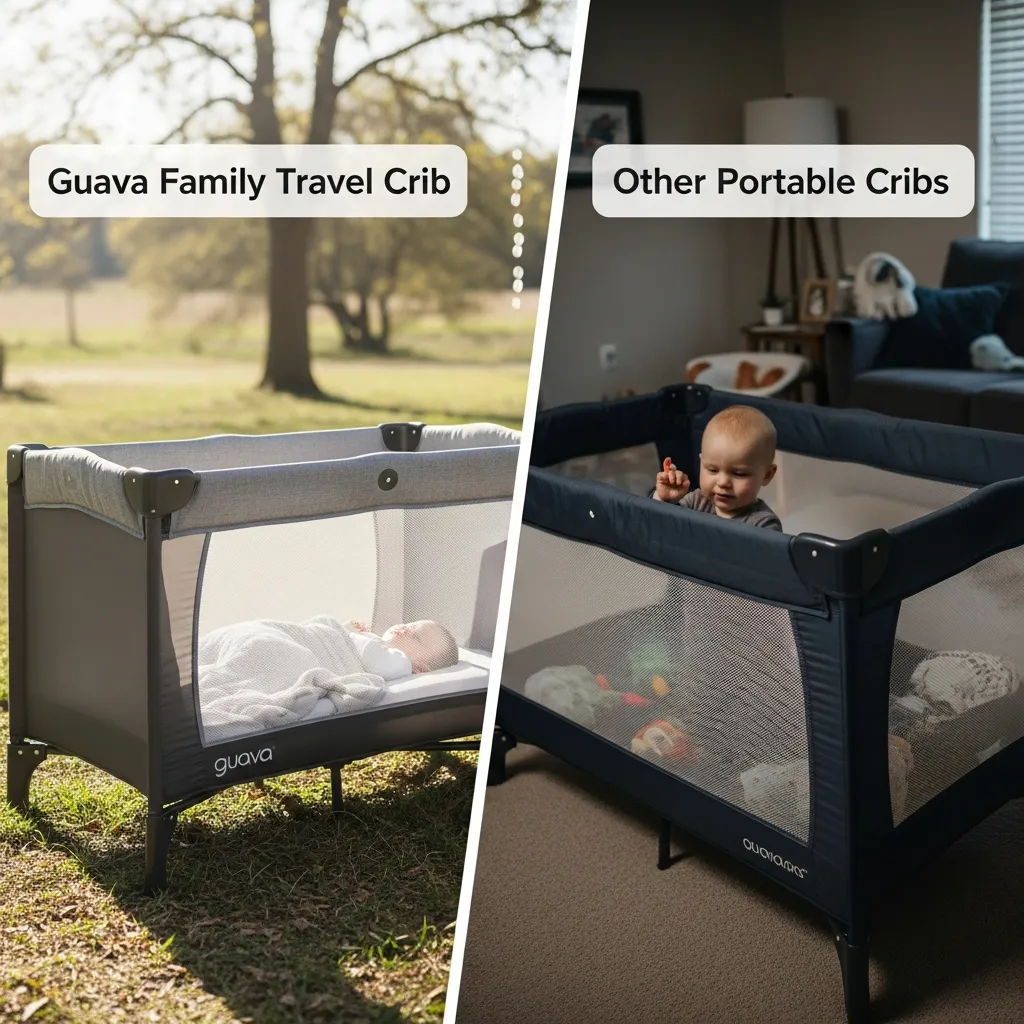
Compared to older-style pack-and-play units, it is generally lighter and folds into a smaller footprint, which matters most for parents flying with carry-on-only luggage. Some competing brands offer a slightly smaller sleeping area or a lower weight limit, so if you’re comparing options, pay attention to:
- Folded size — does it fit in a standard suitcase or overhead bin?
- Total weight — every pound matters when you’re also carrying a car seat or stroller
- Mattress type — floor-resting designs tend to be more stable than raised, suspended mattresses
- Ease of one-person setup — you won’t always have a second set of hands at 9pm in a hotel room
Budget Considerations
A quality travel crib is an investment, but it’s one that gets used on every trip for several years. If cost is a concern, our guide on affordable family vacations and money-saving strategies covers where it makes sense to splurge on gear versus where to cut costs elsewhere in your travel budget.
Choosing the Right Setup Location on Each Trip
Where you place the crib matters almost as much as the crib itself. A few habits experienced traveling parents follow:
- Avoid direct sunlight and vents. Setting up near a window or air conditioning unit can make the sleep space too hot or too cold overnight.
- Keep it away from doors and hallways. Hotel hallway noise and door slams are easier to manage if the crib isn’t positioned right next to the entry.
- Check the floor surface first. A soft carpet works fine, but on hardwood or tile, a thin mat underneath can add stability and reduce noise if the crib shifts slightly during the night.
- Do a walk-through before dark. Setting up the space in daylight, rather than fumbling in a dim hotel room after a long travel day, makes bedtime smoother for everyone.
These small adjustments matter more on multi-stop trips where the sleep environment changes every night or two. For families juggling several destinations in one trip, planning ahead with a clear step-by-step travel itinerary can help you map out where and when you’ll need to set up a sleep space each night.
Traveling Internationally With a Portable Crib
International trips add a few extra considerations. Voltage differences won’t affect a non-electric travel crib, but logistics around checked luggage, customs, and unfamiliar accommodations are worth planning for:
- Check airline baggage policies. Many airlines classify baby gear, including travel cribs, as an additional item that doesn’t count toward your carry-on or checked bag limit — but policies vary, so confirm before you fly.
- Pack it in a water-resistant liner. Humid climates or unexpected rain during transfers can affect the fabric cover, so a liner bag adds a layer of protection.
- Research local safe-sleep norms. Some destinations have different cultural approaches to infant sleep, so having your own familiar, safety-tested sleep space removes the guesswork.
- Bring a printed copy of the manufacturer’s care instructions. If you need to explain the product at customs or borrow tools for a repair, having instructions on hand saves time.
Long-haul trips also benefit from broader trip planning. Our family travel insurance guide is a useful companion read for families heading abroad with young children, since travel delays and gear issues are more disruptive the farther you are from home.
Common Mistakes Parents Make With a Travel Crib
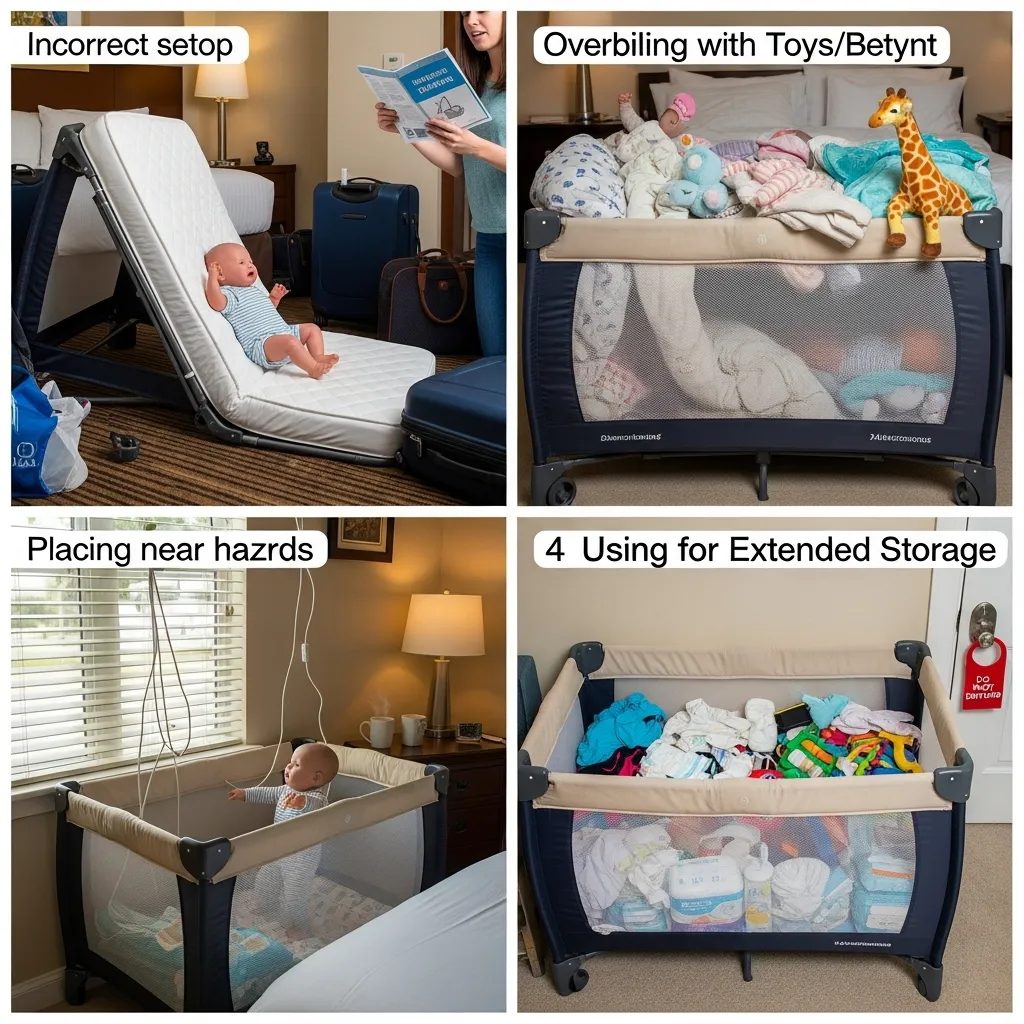
- Skipping the trial setup. First-time assembly should never happen on travel day.
- Forgetting a fitted sheet. Some travel cribs, including this one, don’t include sheets by default — pack at least one spare.
- Not checking hotel or Airbnb space in advance. A little pre-trip planning avoids setting up a crib in a cramped corner.
- Ignoring the manufacturer’s age and use guidelines. Always follow the specific safety instructions that come with your unit.
Conclusion
For families who travel regularly with young children, the Guava Family Travel Crib solves one of the most stressful parts of any trip: knowing your child has a safe, familiar place to sleep. Its lightweight, backpack-portable design, floor-resting mattress, and breathable mesh sides make it a practical upgrade over bulkier traditional playards, whether you’re flying across the country or road-tripping to the next state over. Pack it once, practice the setup at home, and it can become one of the most reliable pieces of gear in your family travel kit for years to come.
Frequently Asked Questions About the Guava Family Travel Crib
1. What is the Guava Family Travel Crib?
The Guava Family Travel Crib is a lightweight, portable crib designed specifically for traveling families. The Guava Family Travel Crib folds into a backpack-style carry bag and features a floor-resting mattress design that provides stability while making transportation easier.
2. How much does the Guava Family Travel Crib weigh?
The Guava Family Travel Crib weighs approximately 13 pounds, making it lighter and easier to carry than many traditional portable playards. Its lightweight design is especially useful for families traveling by plane, car, or public transportation.
3. Is the Guava Family Travel Crib safe for newborns?
The Guava Family Travel Crib is commonly used from the newborn stage onward. Its firm, flat, floor-resting mattress and breathable mesh sides are designed to provide a comfortable and supportive sleep environment. Parents should always follow current pediatric safe-sleep recommendations.
4. How long can a child use the Guava Family Travel Crib?
The Guava Family Travel Crib can be used from infancy through the toddler years, depending on the child’s development. Because the mattress rests directly on the floor rather than on a suspended frame, many families continue using the Guava Family Travel Crib until their child can climb out independently.
5. Does the Guava Family Travel Crib come with a sheet?
Sheets for the Guava Family Travel Crib are typically sold separately. If you’re traveling with the Guava Family Travel Crib, it’s a good idea to pack at least one spare fitted sheet so you have a clean replacement available during your trip.
6. How small does the Guava Family Travel Crib fold down?
The Guava Family Travel Crib folds into a compact size and fits into its backpack-style carry case. This makes the Guava Family Travel Crib easier to transport through airports, hotels, and public transportation compared with larger traditional travel cribs or playards.
7. Can one parent set up the Guava Family Travel Crib alone?
Yes. Most parents can set up the Guava Family Travel Crib or pack it away independently within a few minutes after becoming familiar with the process. Practicing the setup at home before a trip can make using the Guava Family Travel Crib even easier when traveling.
8. Is the Guava Family Travel Crib worth the price?
For families who travel frequently, the Guava Family Travel Crib can be a worthwhile investment because of its portability, durability, and long-term usability. Families who travel with multiple children may also appreciate being able to use the Guava Family Travel Crib across several trips and stages of childhood.
9. How does the Guava Family Travel Crib compare to a hotel crib?
A hotel crib can vary in cleanliness, condition, availability, and safety standards. Bringing your own Guava Family Travel Crib gives you a familiar and consistent sleep environment for your baby. For frequent travelers, the Guava Family Travel Crib can provide greater convenience and predictability than relying on hotel-provided cribs.
10. Can the Guava Family Travel Crib be used for daytime naps and play?
Yes. The Guava Family Travel Crib can be useful beyond nighttime sleep. Its side zipper door allows children to crawl in and out when appropriate, making the Guava Family Travel Crib a practical space for daytime naps and supervised play.
11. Is the Guava Family Travel Crib airline-friendly?
The Guava Family Travel Crib is designed with travel convenience in mind. Its lightweight construction and backpack-style carry design make the Guava Family Travel Crib easier to manage while traveling through airports and boarding flights compared with many bulkier portable playards. Always check your airline’s current baggage policies before traveling.
12. What should I pack alongside the Guava Family Travel Crib?
When traveling with the Guava Family Travel Crib, consider packing a spare fitted sheet, a suitable blackout cover for bright rooms, and a small travel-size laundry bag for storing the cover or other items after spills. These additions can make using the Guava Family Travel Crib more convenient during overnight trips.