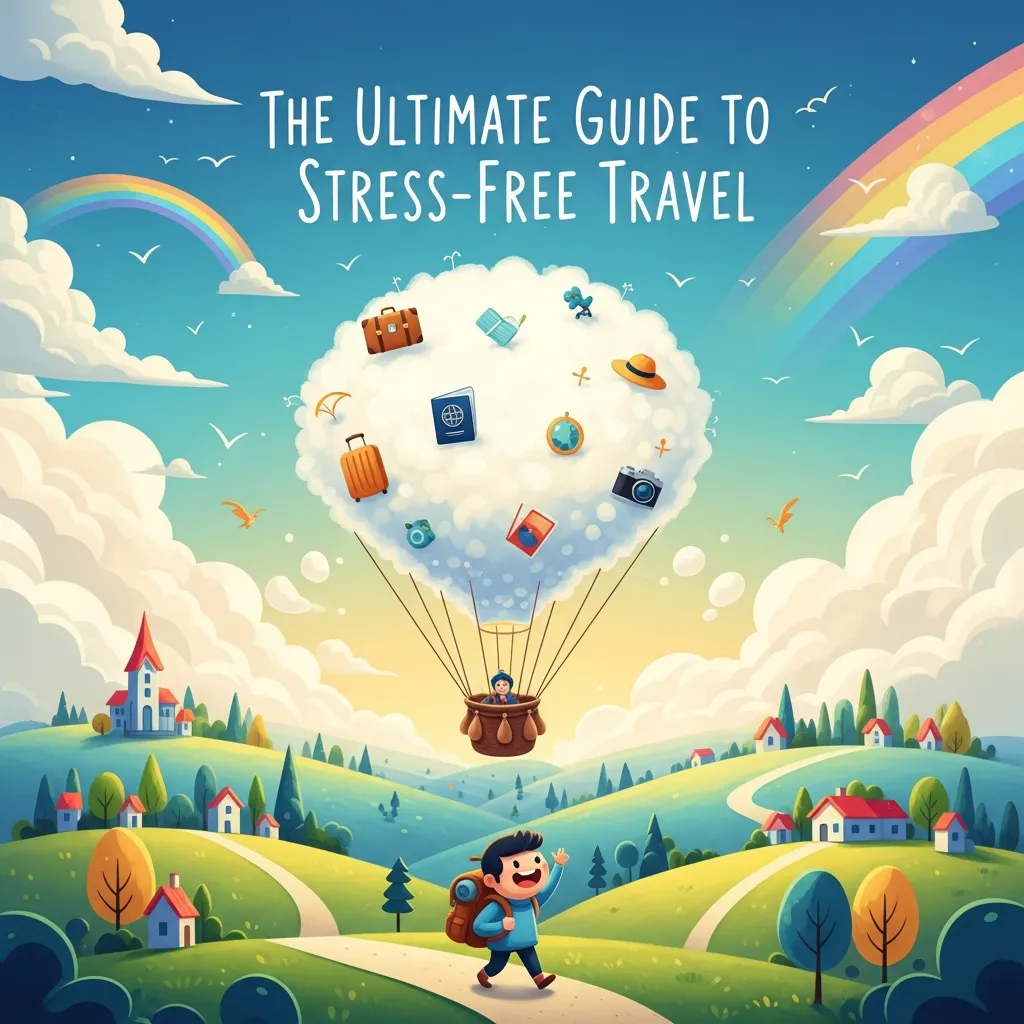
Discover the ultimate guide to stress-free travel, offering practical tips and strategies for seamless journeys, from meticulous planning to relaxed execution. This comprehensive resource helps you navigate the complexities of travel, ensuring a more enjoyable and less anxious experience.
Travel is supposed to be a rejuvenating escape, offering a break from the daily grind and a chance to explore new horizons. You envision yourself lounging on a pristine beach, exploring historic ruins, or simply enjoying a cup of coffee in a bustling foreign city. The reality, however, can sometimes resemble a chaotic obstacle course of delayed flights, lost luggage, and unexpected expenses. Bridging the gap between the dream and the reality requires a proactive approach.
Achieving stress-free travel is entirely possible with the right mindset and preparation. When you eliminate the frantic scrambling that often accompanies vacations and business trips, you open yourself up to truly experiencing your destination. You can focus on creating memories rather than putting out fires. A calm journey sets the tone for the entire trip, leaving you refreshed rather than exhausted by the time you return home.
This guide is designed to help you master the art of flawless travel. We will cover everything from the initial planning stages and smart packing strategies to navigating airports and handling unexpected emergencies. By implementing these practical tips, you can transform your next trip into the smooth, enjoyable experience you deserve.
The Foundation: Meticulous Planning for Flawless Travel

A successful trip begins long before you pack your bags. Laying a solid foundation through careful planning is the most effective way to ensure stress-free travel.
Setting a Realistic Budget and Timeline
Financial worries are a massive source of anxiety. Start by determining exactly how much you can comfortably spend. Factor in flights, accommodation, meals, activities, and a buffer for unexpected costs. Pair your budget with a realistic timeline. Trying to cram three countries into a five-day trip is a recipe for exhaustion. Give yourself permission to slow down and savor one location.
Choosing the Right Destination and Accommodation
Your destination dictates the pace of your trip. If you need pure relaxation, a secluded resort might be better than a bustling metropolis. When booking accommodation, read reviews carefully. Look for places that offer the amenities you value most, whether that is a central location, a quiet neighborhood, or complimentary breakfast.
The Importance of Early Bookings
Leaving things to the last minute invites chaos. Booking flights, hotels, and popular activities well in advance secures your spot and often saves you money. Early booking is a cornerstone of stress-free travel, providing peace of mind as your departure date approaches.
Researching Local Customs and Culture
Understanding the cultural norms of your destination prevents awkward misunderstandings. Learn a few basic phrases in the local language, such as “hello,” “please,” and “thank you.” Familiarize yourself with tipping etiquette, dress codes, and social customs.
Creating a Detailed (Yet Flexible) Itinerary
Outline your days, but avoid scheduling every single minute. A detailed itinerary provides structure, but leaving room for spontaneous discoveries is equally important. Flawless travel requires a balance between having a plan and going with the flow.
Packing Smart: The Art of Efficient Travel
Overpacking is a common mistake that literally weighs you down. Mastering the art of packing is a crucial step toward stress-free travel.
The Minimalist Approach
Pack only what you absolutely need. Choose versatile clothing items in coordinating colors that can be mixed and matched to create multiple outfits. Remember that you can do laundry on longer trips, and you can buy almost anything you might have forgotten at your destination.
Choosing the Right Luggage
Decide whether you need a carry-on or checked luggage based on the length and nature of your trip. A high-quality, lightweight carry-on allows you to bypass the baggage claim carousel and eliminates the risk of lost luggage, making it a favorite choice for stress-free travel.
Packing Cubes and Organization Hacks
Packing cubes revolutionize how you organize your suitcase. They compress your clothing and allow you to separate items by category or outfit. You will never have to tear apart your entire bag just to find a clean pair of socks.
Essential Documents Checklist
Keep your passport, visas, flight tickets, and travel insurance information organized and easily accessible. Store physical copies in a dedicated travel wallet, and keep digital backups on your phone.
Medications and Personal Hygiene
Always pack essential medications in your carry-on bag. Bring a small first-aid kit with pain relievers, bandages, and any specific items you might need. Keep your toiletries streamlined by using travel-sized containers.
Navigating Air Travel with Ease
Airports can be overwhelming, but a strategic approach makes air travel a breeze.
Booking the Best Flights and Seats
Direct flights minimize the risk of missed connections and lost baggage. If you must have a layover, ensure you have plenty of time between flights. Choose your seat in advance to secure a comfortable spot, whether you prefer the window for sleeping or the aisle for easy access to the restroom.
Understanding Airport Security
Familiarize yourself with TSA rules or the equivalent regulations in your country. Wear easily removable shoes, keep your liquids in a clear bag at the top of your carry-on, and have your boarding pass ready. Enrolling in programs like TSA PreCheck or Global Entry significantly speeds up the process.
Managing Layovers and Delays
Delays happen. Instead of getting frustrated, use the time productively or treat yourself to a nice meal. If you have a long layover, consider purchasing a day pass to an airport lounge. Lounges offer a quiet environment, comfortable seating, food, and Wi-Fi, turning a tedious wait into a pleasant experience.
In-Flight Comfort Tips
Stay hydrated by drinking plenty of water and avoiding excessive alcohol and caffeine. Bring a neck pillow, an eye mask, and noise-canceling headphones to help you sleep. Load your devices with movies, podcasts, or a good book to keep yourself entertained.
Dealing with Jet Lag
Adjust your sleep schedule a few days before you depart. Once you arrive, try to adapt to the local time zone immediately. Get plenty of sunlight during the day and avoid heavy meals close to bedtime.
On the Ground: Smooth Transitions and Local Exploration

Arriving at your destination is exciting, but navigating a new environment requires a bit of savvy.
Arranging Airport Transfers in Advance
Figuring out public transportation or haggling with taxi drivers after a long flight is exhausting. Pre-book an airport transfer to your hotel. Knowing someone is waiting for you is a massive relief and a key component of stress-free travel.
Public Transportation vs. Taxis
Research the best way to get around your destination. Many cities have excellent and affordable public transit systems. If you prefer ride-shares or taxis, familiarize yourself with the reputable local apps or companies.
Staying Safe and Aware
Keep your valuables secure and be mindful of your surroundings. Avoid walking alone in poorly lit areas at night, and trust your instincts. A healthy level of caution ensures your trip remains memorable for the right reasons.
Eating Well
Exploring local cuisine is a highlight of any trip. Research highly-rated restaurants, but also ask locals for their recommendations. If you have dietary restrictions, translate your needs into the local language and keep them on your phone to show restaurant staff.
Managing Money
Notify your bank of your travel dates to prevent your cards from being frozen. Carry a mix of payment options, including a credit card with no foreign transaction fees and a small amount of local currency for places that do not accept cards.
Technology for a Stress-Free Journey
Your smartphone is an incredibly powerful tool for maintaining flawless travel.
Essential Travel Apps
Download maps for offline use via Google Maps. Keep a translation app handy to bridge language gaps. Apps for currency conversion, ride-sharing, and itinerary management keep all your vital information in one place.
Portable Chargers and Adapters
A dead phone battery can quickly lead to panic if you rely on it for navigation and tickets. Invest in a high-capacity portable charger. Do not forget a universal adapter to ensure you can plug your devices into foreign outlets.
Staying Connected
Decide how you will access the internet. You can purchase a local SIM card upon arrival, use an eSIM if your phone supports it, or activate an international roaming plan through your current provider.
Digital Backups
Take photos of your passport, driver’s license, and travel insurance policy. Email them to yourself and store them in a secure cloud service. If your physical documents are lost or stolen, these digital copies will be invaluable.
Handling Unexpected Challenges Gracefully
Even with flawless planning, surprises occur. How you handle them determines the success of your trip.
The Importance of Travel Insurance
Travel insurance is non-negotiable for stress-free travel. It protects you from massive financial losses due to trip cancellations, medical emergencies, or lost luggage. Read the policy details to ensure you have adequate coverage for your specific needs.
Lost Passports or Wallets
If you lose your passport, contact your country’s nearest embassy or consulate immediately. If you lose your wallet, cancel your credit cards right away. Having your digital backups and a backup credit card stored separately will save the day.
Medical Emergencies
Know the emergency numbers for your destination. Locate the nearest hospital or clinic to your accommodation upon arrival. Your travel insurance provider usually has a hotline to assist you in finding appropriate medical care.
Adapting to Itinerary Changes
Flights get canceled, and attractions close unexpectedly. Keep a positive attitude and focus on finding a solution rather than dwelling on the problem. Flexibility is a critical skill for maintaining stress-free travel.
Maintaining Well-being on the Road
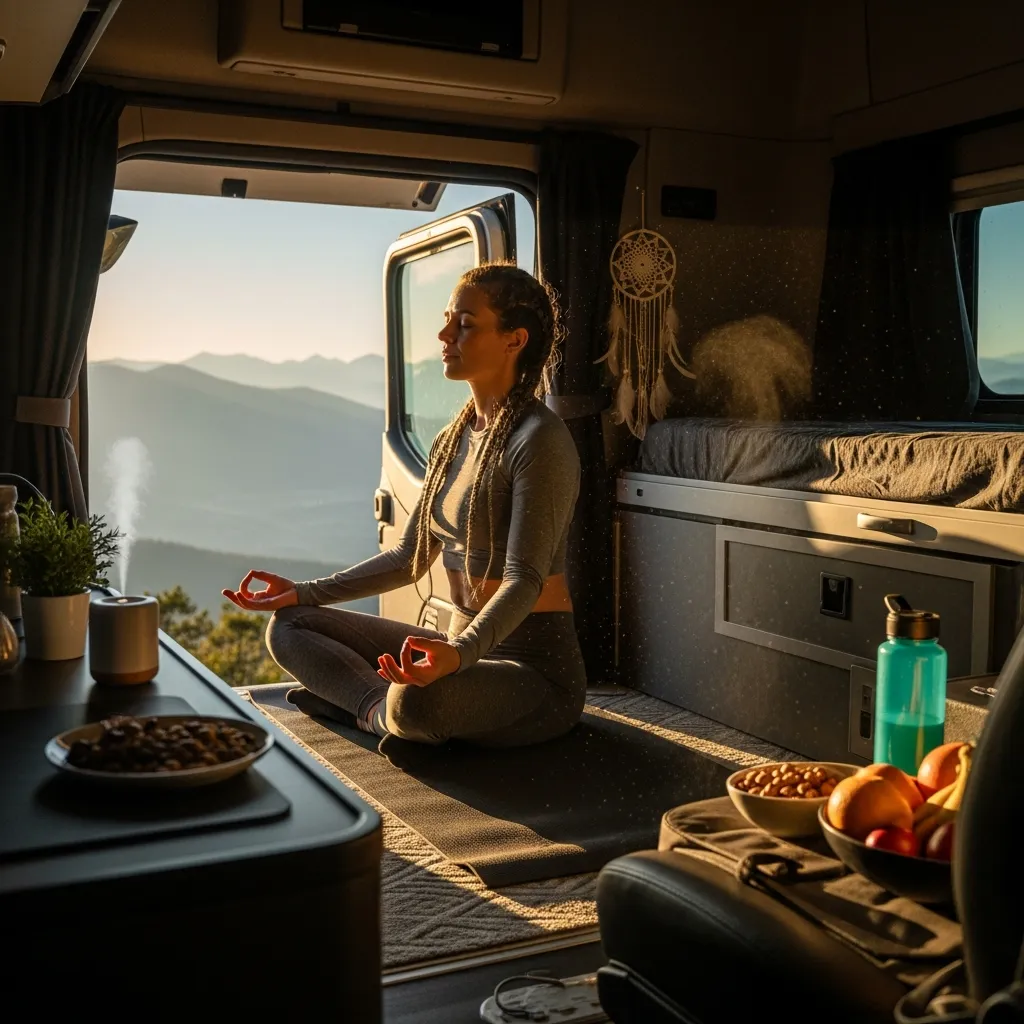
Taking care of your physical and mental health is essential when you are away from home.
Prioritizing Sleep
A tired traveler is a cranky traveler. Make sleep a priority. Stick to a reasonable bedtime, and do not feel pressured to stay out late every night if your body is craving rest.
Staying Active
Incorporate movement into your days. Walk between attractions instead of taking a taxi, go for a morning run, or utilize the hotel gym. Staying active boosts your mood and energy levels.
Mindfulness and Relaxation
Travel can be overstimulating. Take a few minutes each day to practice deep breathing, meditation, or simply sitting quietly in a park. Grounding yourself helps manage travel anxiety.
Journaling and Reflection
Take time to process your experiences. Writing down your thoughts and memories allows you to fully appreciate the journey and provides a wonderful keepsake for the future.
Specific Considerations for Business Travel
Business travel comes with its own set of pressures. Efficient strategies are required to maintain performance on the road.
Balancing Work and Leisure
Try to carve out time to experience the city you are visiting, even if it is just a nice dinner or a quick walk through a local neighborhood. Adding a touch of leisure makes business travel feel less like a chore.
Maximizing Productivity
Utilize your time in transit. Answer emails during layovers or review presentations on the flight. When you arrive, set up a comfortable workspace in your hotel room to maintain focus.
Expense Tracking
Keep your receipts organized from day one. Use an expense tracking app to log costs as they occur, preventing a massive administrative headache when you return to the office.
Making Every Trip a Calm Adventure

Mastering the art of stress-free travel fundamentally changes how you experience the world. By focusing on meticulous planning, packing smartly, and utilizing technology to your advantage, you strip away the common anxieties associated with leaving home.
Whether you are navigating the complexities of air travel or balancing the demands of business travel, a proactive mindset ensures that your journey is as enjoyable as the destination itself. Embrace these strategies on your next trip, and discover the deep satisfaction that comes from confident, calm, and flawless travel. The world is waiting for you to explore it, peacefully.
Frequently Asked Questions (FAQs)
1. How far in advance should I book my flights for stress-free travel?
Ideally, book international flights three to six months in advance, and domestic flights one to three months ahead. This ensures better prices and seat selections.
2. What are the most important documents to always carry with me?
Always have your passport (or ID for domestic trips), boarding passes, a physical credit card, and a copy of your travel insurance policy.
3. How can I avoid jet lag during long flights?
Hydrate well, avoid alcohol, and begin shifting your sleep schedule to your destination’s time zone a few days prior to departure.
4. Is travel insurance really necessary for every trip?
Yes. Travel insurance provides a vital safety net against unexpected medical bills, trip cancellations, and lost luggage, ensuring stress-free travel.
5. What are some essential apps for stress-free travel?
Google Maps (for offline navigation), Google Translate, a currency converter (like XE), and your airline’s official app are highly recommended.
6. How do I manage my budget effectively while traveling?
Set a daily spending limit, track your expenses using an app, and keep a small reserve of cash for emergencies.
7. What’s the best way to stay safe in an unfamiliar city?
Stay aware of your surroundings, research neighborhood safety before booking hotels, avoid flashing expensive items, and trust your gut instincts.
8. What is the most effective way to pack a carry-on for a week-long trip?
Use packing cubes, choose versatile clothing in a single color palette, and wear your bulkiest items (like jackets and boots) on the plane.
9. How can I stay healthy while traveling?
Wash your hands frequently, drink bottled or filtered water when appropriate, maintain a decent sleep schedule, and pack a basic first-aid kit.
10. What should I do to ensure my home is safe while I am away?
Lock all doors and windows, set lights on timers, ask a neighbor to collect your mail, and avoid broadcasting your travel dates publicly on social media.
11. How can I make business travel less exhausting?
Sign up for TSA PreCheck to skip security lines, stick to a carry-on bag to save time, and build in at least one evening for personal relaxation.
12. What is the best strategy for dealing with flight cancellations?
Stay calm, immediately get in line for the customer service desk, and simultaneously call the airline’s customer service number to increase your chances of rebooking quickly.