
Planning a memorable family vacation doesn’t have to drain your savings. As more families embrace exploring the globe, discovering ways to reduce costs becomes vital. In today’s digital landscape, there are countless tools and resources to streamline your research and help you find the best deals for family travel on a budget. From airline aggregators that compare hundreds of flights in seconds to apps that spotlight local discounts, technology has leveled the playing field and made it possible to save without sacrificing experience.
Moreover, family travel on a budget is easier than ever when families take advantage of loyalty programs, seasonal offers, and honor student or military discounts to reduce overall expenses. With a clear roadmap and creative thinking, you can allocate your budget toward experiences that matter most—like local excursions, interactive workshops, or guided tours—while minimizing routine costs.
Ready to embark? Read on to unlock the essential tips and tricks for traveling smarter and enjoying unforgettable family moments. As you read on, you’ll discover how to harness resources such as government travel advisories, university-hosted economic research, and national park guidelines from trusted institutions like the National Park Service to inform your decisions. By using data on seasonal price trends and consumer price indices from sources such as the U.S. Bureau of Labor Statistics, family travel on a budget becomes a more strategic and well-planned experience.
Let’s begin by exploring the first critical step: choosing the ideal destination for your next family adventure—because successful family travel on a budget always starts with smart destination planning.
Choosing Budget-Friendly Family Travel Destinations

One of the most impactful decisions in planning family travel on a budget is selecting the right destination. Popular capitals and iconic resorts often boast stunning sights, but they also come with premium price tags on lodging, dining, and attractions. Today, savvy parents are shifting their focus toward hidden gems that deliver authentic experiences without overwhelming costs. By broadening your search beyond well-trodden routes, you can discover charming small towns, lesser-known coastal enclaves, and park regions where the cost of living is naturally lower, allowing your travel budget to stretch further and your family to enjoy greater freedom.
Explore Off-the-Beaten-Path Locations
Instead of flocking to world-renowned cities, consider immersing your family in regions that are still under the radar. Remote countryside areas, regional preserves, and local heritage sites can offer immersive cultural and outdoor experiences at a fraction of the price. For instance, many state and national parks provide free or low-cost entry and host ranger-led programs that are both educational and entertaining. Sites like the National Park Service list thousands of protected areas with budget-friendly lodging options such as campgrounds, cabins, or rustic lodges. This strategy not only lowers expenses but also fosters a deeper connection to nature and local traditions.
Travel During Shoulder Seasons
Beyond destination choice, timing determines a significant portion of your total trip expenditure. This year, families are increasingly taking advantage of shoulder seasons—the transitional periods between peak and off-peak travel times—when accommodations and flights become noticeably more accessible. Shoulder season benefits include milder crowds, reduced rate structures for rooms and tours, and a more relaxed atmosphere that children often appreciate. By traveling just before or after traditional school breaks, you’ll find better inventory, as well as added flexibility in dates, making it easier to capitalize on promotional discounts.
Another key consideration is currency valuation and local fees. Some regions routinely fluctuate in cost due to exchange rate dynamics or tourism taxes that apply only at certain times of the year. Conducting a quick audit of prevailing rates using resources like the U.S. Bureau of Labor Statistics can help you anticipate daily expenditures on lodging, meals, and local transport. Also, proactive research into regional incentives—such as promotional tourism initiatives by municipal authorities—can reveal hidden savings opportunities, including discounted city passes or complimentary child admissions at museums.
Ultimately, choosing where and when to travel lays the foundation for successful family travel on a budget. By selecting underappreciated locations and planning your itinerary around off-peak windows, you’ll gain cost advantages without compromising on engagement or comfort. With these insights in hand, it’s time to explore how to secure the best deals on transportation and accommodation for your next getaway.
Smart Booking Strategies for Family Travel on a Budget
After pinpointing your destination, the next step in planning smart family travel on a budget is booking transportation and lodging. Unlocking the best deals requires a blend of timing, technology, and insider knowledge. Today, a plethora of online tools enable you to monitor price fluctuations in real time, alert you to flash sales, and compare multiple providers side by side. Apps like Hopper or Kayak can forecast price trends and pinpoint the optimal moment to hit that “book” button. By adopting systematic tracking and flexible booking approaches, you can minimize one of the largest expense categories—travel logistics—without sacrificing convenience or comfort for you and your loved ones.
Finding Affordable Flights
Flights often represent the most substantial outlay in a family’s travel budget, but strategic planning can yield significant discounts. Begin by using flight aggregators like Google Flights or Skyscanner to scan across calendars and carriers. Select flexible-date searches to view the cheapest departure and return windows, as shifting your trip by a day or two can yield savings of several hundred dollars. Booking well in advance—typically two to three months for domestic trips and three to five months for international travel—can secure better rates and preferred seats. Additionally, consider signing up for fare-watch alerts, which notify you when routes drop below a target price. Lastly, evaluate no-frills airlines for short hops; these carriers often have lower base fares, but remember to factor in baggage fees when calculating your total cost.
Securing Budget-Friendly Accommodation
Accommodation ranks high on the list of travel expenses, especially when children require extra space. Families can save by exploring alternative lodging options beyond traditional hotels. Vacation rental platforms such as Airbnb and Vrbo offer entire homes or apartments, complete with kitchens and separate bedrooms, enabling cost-cutting on dining through home-cooked meals. Some family-oriented hotels also run promotions like kids-stay-free or complimentary breakfasts, so check brand loyalty programs and package deals. For the adventurous, home exchange networks facilitate a direct swap with another family’s residence, eliminating lodging costs altogether. Lastly, consult user reviews and booking sites that aggregate multiple rental platforms to ensure you’re getting the best price and quality.
Beyond cash bookings, families can harness loyalty programs and travel rewards credit cards to offset costs. Many airlines and hotel chains provide bonus points for sign-up offers and everyday spending—points you can redeem on flights, room upgrades, or resort fees. Furthermore, some credit cards waive foreign transaction fees, which proves invaluable when traveling internationally. When planning group travel for four or more, check for group rates, which sometimes unlock a discounted flat rate or complimentary upgrades. By combining loyalty points with early-bird discounts and occasional flash sales, you’ll dramatically reduce your total outlay.
Combining these flight and lodging tips creates a robust foundation for cost-effective family travel on a budget. By leveraging the breadth of digital booking tools and embracing flexible strategies, you’ll unlock savings that can be reallocated to enrich your family’s experience—be it guided excursions, cultural workshops, or local culinary tastings.
Saving on Food and Activities During Your Family Trip
Meals and outings represent a sizeable chunk of any travel budget, but with thoughtful planning, families can indulge in local flavors and memorable experiences without financial strain. This year, many destinations are promoting community festivals, open-air markets, and heritage events that come at no extra cost. By strategically mixing home-prepared and local dining, and by leveraging public offerings in parks, museums, and historic districts, you can create a daily schedule that maximizes enjoyment while minimizing expenses. Let’s delve into practical methods for feeding your family and entertaining your kids in wallet-friendly ways.
Budget-Friendly Dining Strategies
Preparing some meals on your own can save a significant portion of your daily spending. Book accommodations with kitchenettes or communal kitchens and plan for a simple breakfast and a packed lunch using purchases from neighborhood grocery stores. A picnic at a scenic overlook or within a public park turns nourishment into an engaging family activity. For dinners, look for lunch specials or early-bird menus at local bistros, which often offer smaller portions at reduced prices. Parents should also search for “kids eat free” promotions at family-oriented eateries; these deals can eliminate up to 30% of your dining bill. Finally, consider super-apps that aggregate local coupons and discounts, enabling you to choose restaurants based on both cuisine and current promotions.
Free and Low-Cost Entertainment Options
You don’t need pricey tickets or guided tours to create lasting memories. Many cities host free museum days or “pay-what-you-wish” admission hours—check institutional websites in advance to plan visits at no cost. Public libraries and community centers often schedule family-friendly workshops, storytelling sessions, or film screenings that are free or donation-based. Outdoor enthusiasts can turn to hiking trails, botanical gardens, and waterfront promenades, where entry fees are minimal or non-existent. Children’s playgrounds, street performances, and local festivals frequently provide interactive entertainment options that require nothing more than your presence. To stay informed, consult the local tourism board’s calendar, government websites, or university extension programs that highlight civic events within your travel window.
By combining self-catering with coupon-driven dining and by alternating paid attractions with freely accessible cultural or natural venues, your family can experience diverse activities at a fraction of standard rates. This balanced approach ensures that expenses remain predictable, letting you allocate more of your budget toward unique opportunities like guided excursions, cooking classes, or wildlife encounters—enhancements that elevate your adventure without compromising your financial goals.
Practical Packing Tips to Cut Travel Costs

Packing strategically is a crucial yet often overlooked element of family travel on a budget. By bringing the right items and avoiding unnecessary extras, you’ll bypass last-minute purchases at tourist-oriented shops where prices can be steep. Additionally, adhering to airline baggage allowances prevents overweight and overage fees that eat into your savings. Below, explore essential guidelines for efficient packing that keep costs down and streamline your trip preparations.
Bring Essentials from Home
Certain everyday items like sunscreen, insect repellent, and over-the-counter medications can carry hefty markups at popular destinations. To avoid these inflated costs, assemble a travel kit before departure with reusable water bottles, familiar snack packets, prescription medications, and children’s must-have comfort items. Packing a small first-aid kit equipped with plasters, antiseptic wipes, and pain relievers will spare you the expense of purchasing these supplies at resorts or airport shops. If you’re traveling internationally, verify customs regulations for items such as certain pharmaceuticals, and carry documentation for any prescribed medications. This proactive approach not only saves money but also reduces stress when settling into your accommodation.
Pack Light and Smart
Excess baggage fees can devastate a tight travel budget. Evaluate each item’s versatility and necessity, opting for clothing that mixes and matches well. Roll garments to maximize space, and use compression packing cubes to fit more into carry-ons. Aim to limit one checked bag and one personal item per person; many airlines allow a free personal item alongside a carry-on. To prevent overweight charges, weigh your luggage at home using a portable scale and reconfigure if needed. If you’re traveling with infants or toddlers, consider renting bulky equipment, such as strollers or cribs, at your destination instead of hauling them through airports.
Organize Documents and Research Insurance
Securing travel insurance before departure can prevent unexpected expenditures related to medical emergencies, trip cancellations, or lost luggage. Compare policies online to find one tailored for families that covers multiple travelers at a competitive rate. Keep digital and physical copies of passports, vaccination records, and insurance documents in separate, secure locations. Utilizing a document organizer or a password-protected cloud storage ensures swift access if necessary. While insurance premiums represent an upfront expense, they safeguard your trip budget against unpredictable costs and provide peace of mind, which is invaluable when exploring unfamiliar places.
Maximizing Family Fun with Free and Low-Cost Options
Family travel on a budget doesn’t mean compromising on fun or immersion. Many destinations feature public amenities and community-driven events that deliver high-impact experiences at minimal cost. By tapping into local resources such as parks, cultural centers, and volunteer guide programs, you can craft an itinerary rich in authenticity and enjoyment. Below are strategies to uncover free or nominal-fee activities that will delight family members of all ages.
Leverage Public and Community Resources
Local governments and nonprofit organizations often host events aimed at promoting community engagement. Farmers’ markets, art walks, and heritage festivals typically carry no admission fees and offer interactive elements like live music, craft workshops, and cultural demonstrations. Check official city or county tourism websites for event calendars, and sign up for newsletters from visitor bureaus, which occasionally distribute complimentary art passes or discount coupons. Libraries are another hidden gem, offering storytelling hours, educational exhibits, and sometimes even lending programs for museum passes. Engaging with these offerings gives your children the opportunity to learn about the region’s culture and history without added expense.
Engage in Nature-Based Activities for Family Travel on a Budget
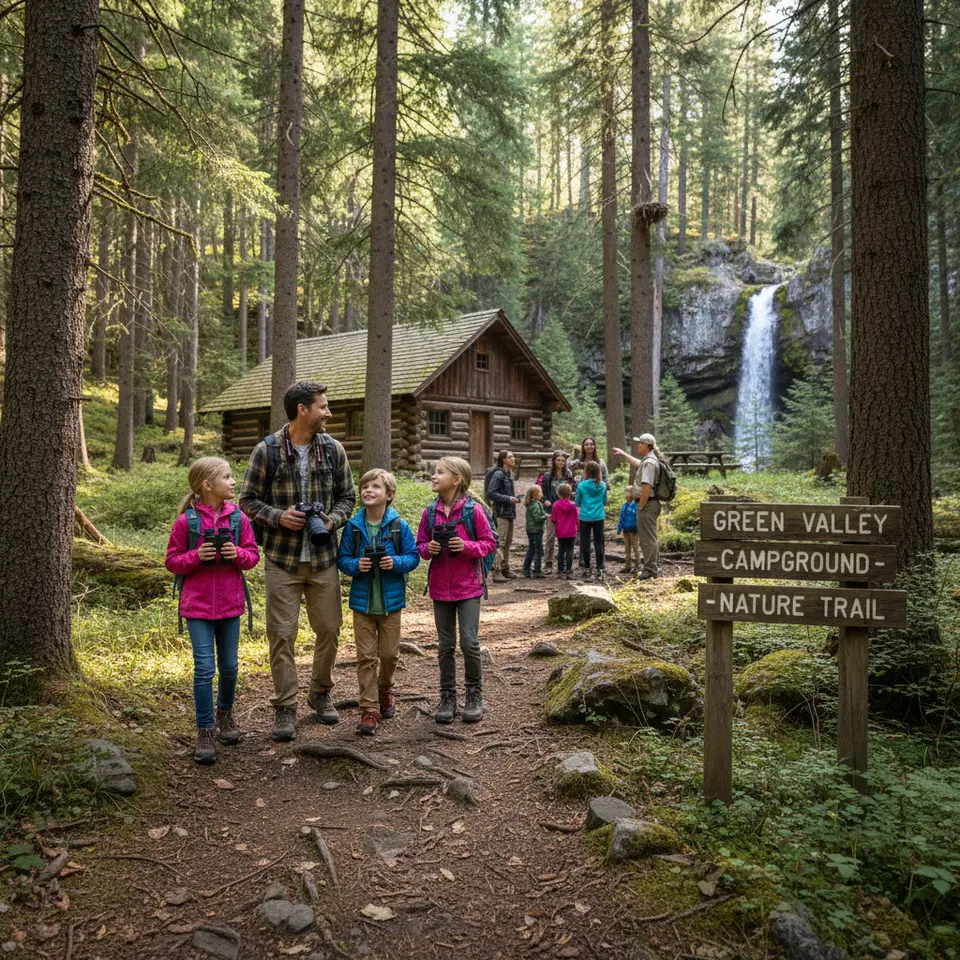
Natural environments provide some of the most rewarding experiences and are often the least costly. National trails, state forests, and public beaches allow families to soak in landscapes without entry fees or for the price of a low-cost parking permit. Activities such as hiking, birdwatching, and tidepool exploration foster curiosity and physical activity. Many parks offer free guided walks led by naturalists, enhancing your understanding of local ecosystems. For more structured adventures, consider volunteer-led programs—through organizations like the U.S. Fish and Wildlife Service—where families can participate in conservation projects or wildlife monitoring.
Community Resources and Local Learning Opportunities
Community boards and university extension services, such as those offered by many land-grant institutions, often maintain listings of community events and outdoor workshops. Partnering with regional volunteer groups can connect you to specialized tours, such as stargazing nights organized by astronomy clubs or botanical garden volunteer sessions. These initiatives may ask for a small donation or equipment rental fee but rarely exceed minimal costs.
Maximizing Enjoyment While Sticking to a Budget
By prioritizing public and nature-based offerings, family travel on a budget becomes easier to manage while still delivering meaningful outdoor experiences. Whether you’re strolling through a heritage district or paddling a calm river at sunset, these low-cost activities keep both kids and parents engaged while helping you stay within budget.
Conclusion
Traveling with your family doesn’t have to drain your savings. With smart planning, flexible bookings, budget-friendly dining, and thoughtful packing, you can enjoy great experiences while keeping costs low. Family travel on a budget is all about using research, digital tools, and timing to find the best deals and make the most of your money.
By choosing off-peak travel times and balancing paid attractions with free activities like parks and local events, you can create meaningful memories without overspending. With the right approach, an affordable and unforgettable family trip is completely possible.
FAQs: Family Travel on a Budget
1. What is family travel on a budget?
Family travel on a budget means planning trips in a cost-effective way while still enjoying quality experiences together.
2. How can I start planning family travel on a budget?
Start by choosing affordable destinations, setting a clear budget, and comparing travel deals online.
3. What are the best ways to save money on flights?
Use flight comparison tools, book early, and travel on flexible dates to find cheaper fares.
4. How can families find affordable accommodation?
Look for vacation rentals, budget hotels, home exchanges, or family-friendly deals with discounts.
5. What is the cheapest time to travel as a family?
Off-peak or shoulder seasons are usually the cheapest times for family travel on a budget.
6. How can we reduce food costs during travel?
Stay in places with kitchens, cook simple meals, and eat at local affordable restaurants or street food spots.
7. Are there free activities for family travel on a budget?
Yes, many cities offer free museums, parks, festivals, hiking trails, and community events.
8. How can loyalty programs help save money?
They allow you to earn points on flights and hotels, which can be redeemed for discounts or free stays.
9. What should families pack to save money?
Bring essentials like snacks, medicines, and travel gear to avoid buying expensive items on the road.
10. Is travel insurance important for budget family travel?
Yes, it helps protect against unexpected costs like medical emergencies or trip cancellations.
11. How can I find discounts and deals for family trips?
Use travel apps, coupon platforms, airline deals, and seasonal promotions.
12. Can family travel on a budget still be fun?
Absolutely. With smart planning, families can enjoy memorable experiences without overspending.