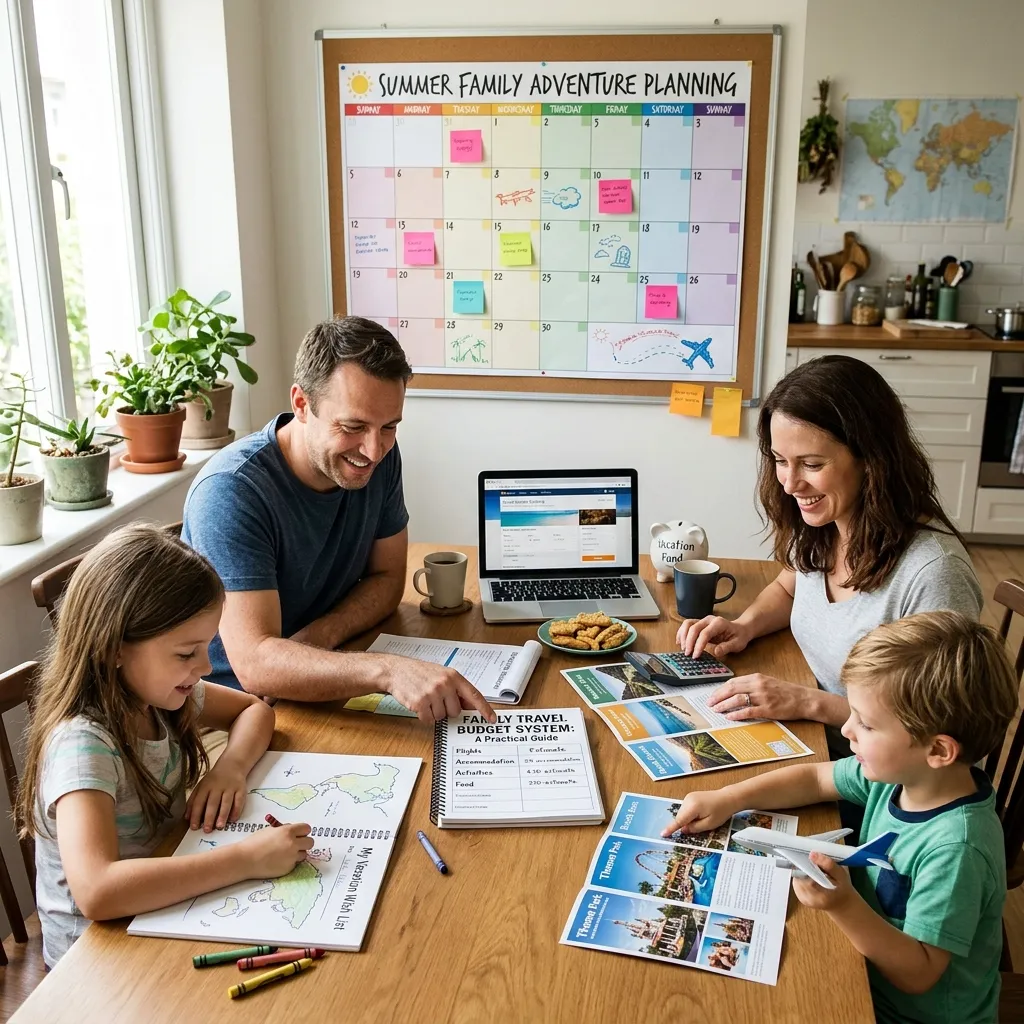
A family travel budget works best when it is simple, honest, and flexible enough to protect joy while controlling spending, reducing stress, and making every trip feel organized.
The Family Travel Budget Planning System is not just a spreadsheet; it is a decision-making tool that helps parents protect money, reduce stress, and turn travel into a predictable part of family life. When each expense has a purpose, the Family Travel Budget Planning System gives you clarity before booking, confidence while traveling, and control after the trip. That emotional relief matters, because families rarely overspend only from lack of information; they overspend when plans are rushed, unclear, or based on wishful thinking.
A strong Family Travel Budget Planning System starts with the way families think about travel. Instead of asking only how much a trip costs, ask what kind of experience the family wants, what matters most, and where comfort can be traded for savings. Once those priorities are clear, the Family Travel Budget Planning System becomes easier to follow because the budget reflects real family values rather than random travel habits.
Many parents also find that a Family Travel Budget Planning System reduces conflict. Children feel more settled when plans are consistent, adults feel less anxious when costs are mapped out, and the whole trip flows with fewer surprises. The best version of the Family Travel Budget Planning System is flexible enough for fun but disciplined enough to protect the monthly budget.
Set the Total Budget First
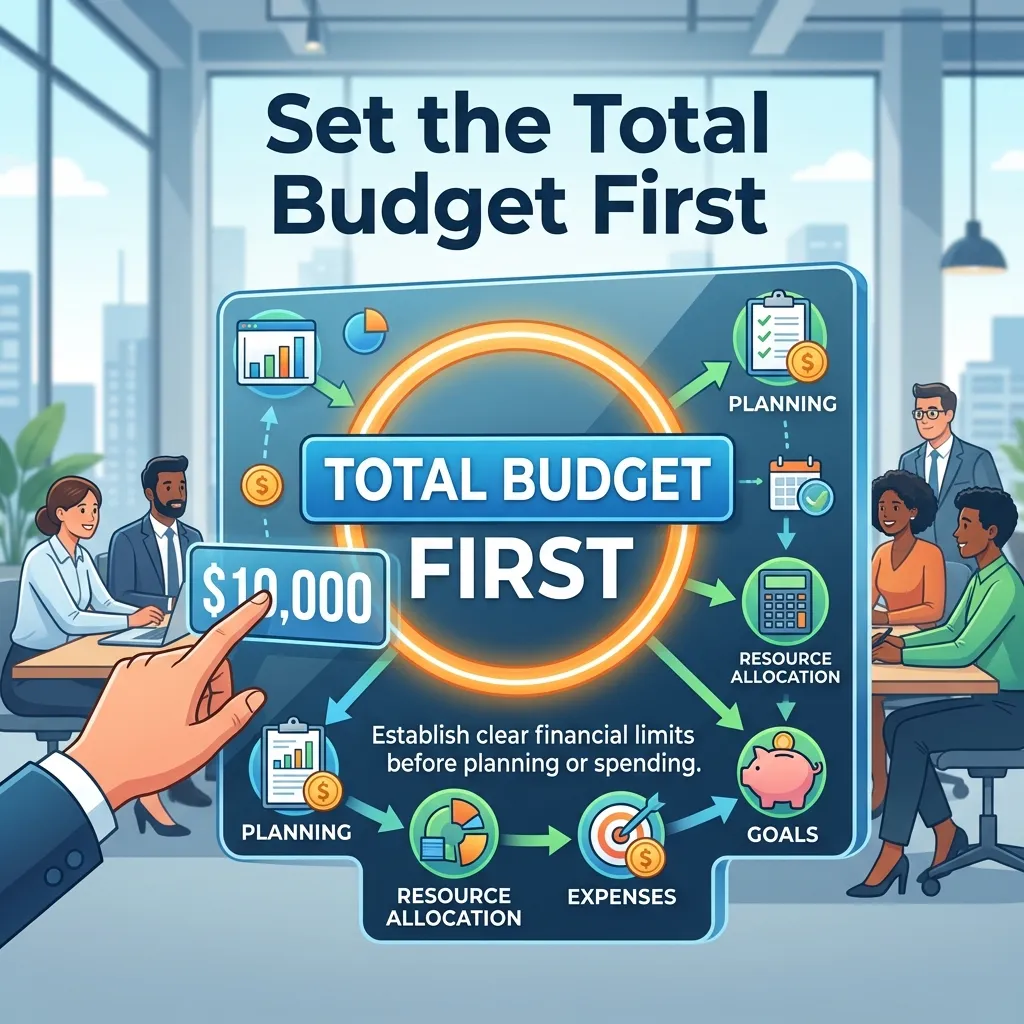
Before anything else, decide the total cap for the trip inside your Family Travel Budget Planning System. Start with income, savings goals, and non-negotiable household expenses, then decide what amount can be used without creating guilt later. If the cap is too loose, the Family Travel Budget Planning System becomes vague; if it is too tight, the trip may feel stressful. The goal is not to spend the least possible money, but to spend with intention.
Split the total budget into clear buckets such as transport, stay, food, local movement, activities, insurance, and emergencies. Inside the Family Travel Budget Planning System, each bucket works like a guardrail. When one category grows larger than expected, another category can shrink without breaking the whole plan. This keeps the trip balanced and prevents one bad purchase from quietly damaging the full itinerary.
Pack Smarter, Spend Less
Many families improve their results by using Family Travel Packing Hacks early in the planning stage, because lighter luggage can lower baggage fees and reduce daily friction. When a trip is organized around simplicity, the Family Travel Budget Planning System has fewer hidden costs to absorb, and the family can travel more comfortably with less clutter.
Book with Calm, Not Panic
Timing matters inside a Family Travel Budget Planning System. Flights, trains, and hotels often become cheaper when families compare dates carefully and avoid emotional booking decisions. Set a target window, compare a few options, and wait long enough to avoid panic purchases. A calm booking process often saves more than a discount code because it protects the family from convenience-based overspending.
Use price alerts, fare comparisons, and flexible dates where possible. In a practical Family Travel Budget Planning System, a small shift in departure date can free up money for better meals, safer transport, or an activity children will remember for years. The point is to move money from noise into value.
Choose Accommodation with Real Value
Accommodation is often the largest line item in any Family Travel Budget Planning System, so it deserves careful thought. A family may choose a hotel for convenience, a serviced apartment for space, or a guesthouse for a local feel. The right answer depends on age of children, length of stay, access to food, and how much privacy the family needs to stay rested.
Families traveling with younger children often save money by choosing a place with a kitchenette, laundry access, and breakfast included. That choice can protect the Family Travel Budget Planning System because it reduces restaurant dependence, lower laundry costs, and makes mornings easier. Convenience can be a form of savings when it prevents chaos and repeat spending.
Do not ignore location. A cheaper property far from the center can make transport costs rise fast. In the Family Travel Budget Planning System, the cheapest room is not always the cheapest stay. Sometimes paying a little more for a better area saves money across the full trip by reducing taxis, transfers, and tired, last-minute decisions.
Control Food Costs Without Losing Enjoyment
Food spending can quietly shape the entire Family Travel Budget Planning System. Families often underestimate snacks, bottled drinks, coffee, desserts, and emergency meals between activities. Create a food budget that includes three layers: planned meals, flexible snacks, and one small buffer for spontaneous treats. That structure supports joy without allowing everyday convenience to become an uncontrolled leak.
One of the simplest ways to protect the Family Travel Budget Planning System is to mix restaurant meals with grocery stops. Breakfast at the stay, a picnic lunch, and one special dinner can often feel more memorable than eating out for every meal. Children usually remember the experience, not whether every meal came from a menu.
Make the Trip Meaningful
Families often travel for connection, and that is why the Family Travel Budget Planning System should reserve money for meaningful experiences rather than filling every hour with paid attractions. Some of the best memories come from markets, parks, neighborhoods, and local celebrations that cost little or nothing. Money saved on routine entertainment can be redirected toward one high-value experience that fits the family story.
Family Cultural Travel Experiences give children a way to understand a place beyond photos. When the Family Travel Budget Planning System includes museum days, local performances, cooking classes, or neighborhood walks, the trip becomes educational as well as enjoyable. That deeper layer often feels worth the money because it creates shared memories instead of passive sightseeing.
Parents who want a calmer pace can build Screen-Free Family Travel into the trip by planning hands-on activities, conversation breaks, drawing time, and movement-based fun. The Family Travel Budget Planning System then supports more than finances; it supports attention, connection, and better travel behavior. Kids often engage more deeply when the day has structure but not constant digital stimulation.
Local festivals are another powerful budget choice because they can deliver a strong sense of place at a modest cost. Best Street Festivals often combine music, food, art, and community energy in ways that are affordable and memorable. When the Family Travel Budget Planning System includes at least one such event, the family often gets a richer cultural return than from an expensive attraction.
Build a Saving Habit Before Booking
A reliable Family Travel Budget Planning System always includes a savings method before booking begins. Some families use a separate account, others use envelopes, and some set a weekly transfer toward the next trip. The method matters less than the habit. Once travel money is treated like a planned expense rather than leftover cash, the family can build trips without debt or fear.
Set monthly targets that match income patterns. If a family earns irregularly, the Family Travel Budget Planning System should front-load savings in better months and reduce commitments in weaker months. That rhythm keeps the plan realistic and prevents frustration. An honest budget is far more useful than an ambitious one that collapses under pressure.
Always create an emergency buffer inside the Family Travel Budget Planning System. Unexpected medical items, missed connections, weather changes, or extra rides can appear even on well-planned trips. Without a cushion, small surprises become large stressors. With one, the family can solve problems quickly and continue enjoying the journey.
Think About Transport as a Total Cost
Transport decisions should be treated as part of the full Family Travel Budget Planning System, not as isolated bookings. Cheaper flights may arrive at inconvenient times, and lower-cost buses may create fatigue that leads to extra food or taxi spending. Try to think in total trip cost rather than headline fare. That one shift often improves both comfort and value.
When traveling with children, transfers matter more than many parents expect. The Family Travel Budget Planning System should account for airport pickup, station movement, baggage handling, and any rest breaks needed along the way. Families save money when they avoid last-minute transport decisions made out of exhaustion. Planning those details early creates a smoother arrival and a better mood on day one.
Build an Itinerary That Supports the Budget
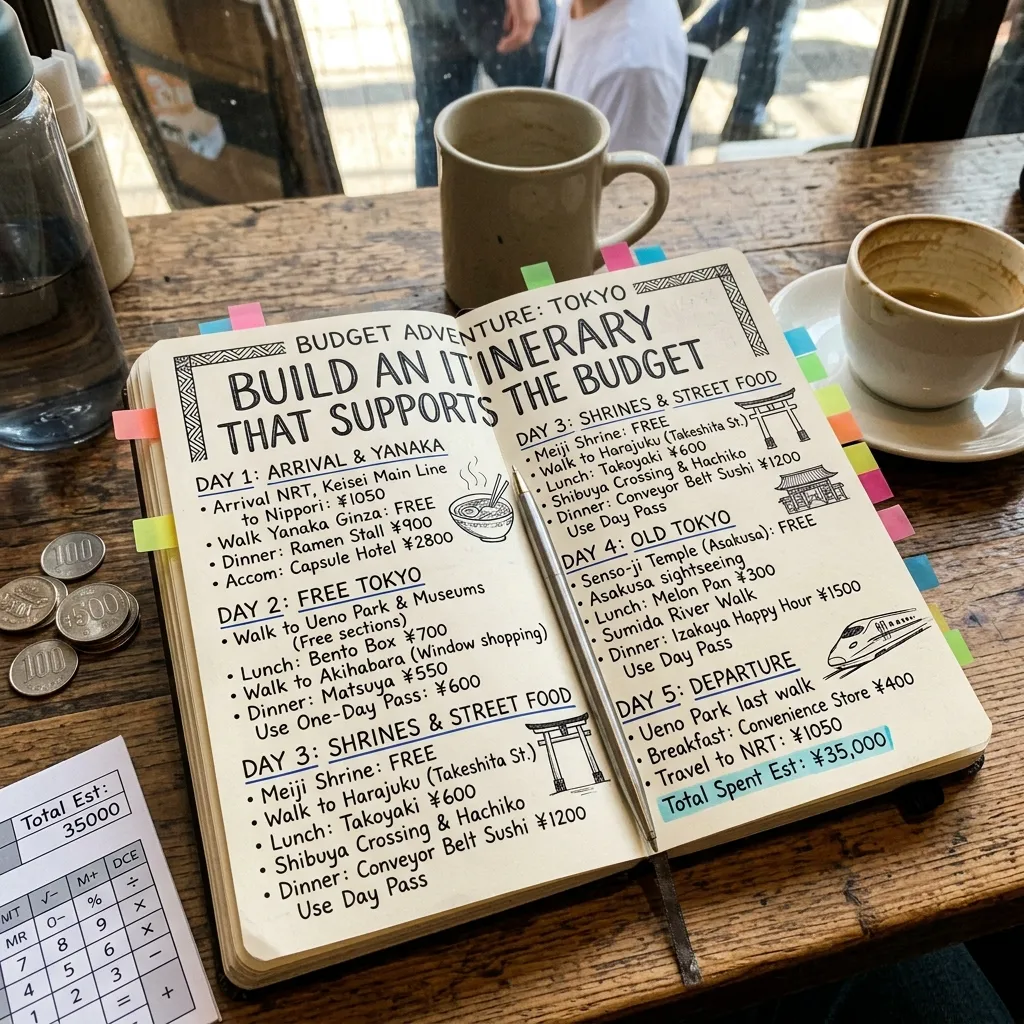
An itinerary also shapes the Family Travel Budget Planning System. Too many booked activities can create fatigue, while too many open days can lead to impulse spending. The best balance is a schedule with a few anchor experiences, some flexible blocks, and enough rest to keep the family cooperative. Travel feels better when every day has purpose but not pressure.
Use one simple rule: every day should have a morning idea, an afternoon option, and a backup plan. That structure makes the Family Travel Budget Planning System more stable because the family is less likely to pay extra for boredom or panic. Children are usually happier when they know what comes next, even if the plan stays light.
For longer trips, the Family Travel Budget Planning System should also include slower days. Rest days may seem unproductive, but they often prevent expensive burnout. A tired family spends more on convenience, more on emotional fixes, and more on last-minute changes. Good pacing is a financial strategy as much as a travel comfort strategy.
Use Psychology to Spend Better
Human psychology plays a major role in every Family Travel Budget Planning System. Parents often overspend to create perfect memories, avoid disappointing children, or compensate for the stress of daily life. Recognizing those triggers helps families make better choices before the purchase happens. The most successful budget is not the strictest one; it is the one that matches real emotional behavior.
Children can also be part of the budgeting conversation. When age-appropriate, explain the Family Travel Budget Planning System in simple terms and let them help choose one special activity or souvenir. This small inclusion can reduce requests later because kids feel ownership instead of restriction. Budgeting becomes a shared family skill rather than a hidden adult rule.
To prevent drift, review the Family Travel Budget Planning System at three points: before booking, during the trip, and after returning home. Before the trip, check assumptions. During the trip, track actual spending. After the trip, compare planned versus real costs so the next journey becomes even smarter. That reflection makes each trip better than the last.
Keep the Numbers Visible
A simple table can make the Family Travel Budget Planning System easier to understand. Families often use it to compare estimated cost, actual cost, and savings opportunities across categories. Even a basic tracker improves decision quality because it turns vague feelings into visible numbers. When everyone can see the same plan, cooperation becomes easier.
Some families pair the budget with Family Travel Packing Hacks so they can cut duplicate purchases such as extra chargers, forgotten toiletries, or unnecessary clothing. That kind of preparation keeps the Family Travel Budget Planning System from absorbing avoidable convenience costs after arrival.
Spend on Value, Not Hype
Do not confuse frugality with deprivation. A healthy Family Travel Budget Planning System should still allow one or two special moments that make the journey feel unique. Families remember the rooftop meal, the boat ride, the local sweet, or the sunset stop more than they remember a savings win. Budgeting works best when it protects joy instead of eliminating it.
At the same time, avoid premium spending that adds little value. If a luxury option only saves a few minutes, it may not belong in the Family Travel Budget Planning System. A good question is simple: does this choice create lasting comfort, safety, or memory, or is it only an instant impulse? That question helps families separate true value from emotional buying.
Choose Destinations That Fit the Plan
Destination choice is one of the strongest levers in the Family Travel Budget Planning System. Some places are naturally expensive because of seasonality, transport scarcity, or tourist demand, while others offer strong experiences at lower cost. Choosing a destination that fits the budget is often more powerful than trying to force a small budget into an expensive place.
Families can also save by traveling in shoulder seasons. The Family Travel Budget Planning System becomes easier to manage when demand is lower, crowds are lighter, and rooms or tickets are less competitive. A slightly flexible calendar often produces a much better value than a fixed date with high emotional pressure.
Watch Shopping and Local Food Costs
Shopping should be planned carefully inside the Family Travel Budget Planning System. Souvenirs, clothing, toys, and random market items can feel small in the moment but add up quickly. Set a local shopping limit before the trip starts and keep it visible during the journey. That boundary lets children enjoy browsing without turning every stop into a purchase event.
Local food markets can be one of the best investments in the Family Travel Budget Planning System. They combine culture, affordability, and novelty, especially for families that enjoy trying new flavors together. A well-chosen market meal often becomes a core memory because it feels local, shared, and spontaneous without being financially reckless.
Make the System Repeatable

The Family Travel Budget Planning System also helps families choose where to simplify. Some trips need fewer attractions and more rest, while others need more transit planning and fewer shopping stops. In both cases, the plan acts like a filter that keeps decisions aligned with the original goal instead of reacting to every new idea along the way.
Another strength of the Family Travel Budget Planning System is that it makes future trips easier to fund. Once parents know the real cost of transport, food, and activities, they can estimate later journeys with far better accuracy. That habit is valuable because the system becomes a repeatable practice, not a one-time document.
When the Family Travel Budget Planning System is used consistently, families start making better trade-offs automatically. They know when to spend more for comfort, when to skip an upgrade, and when to choose a simpler option. Over time, the method builds confidence, reduces friction, and makes travel feel less like a luxury gamble and more like a planned family ritual.
A final benefit of the Family Travel Budget Planning System is emotional. It gives parents permission to enjoy the trip because the money is already assigned and the risks are already thought through. That mental freedom can be as valuable as the savings itself, especially on longer trips with multiple moving parts.
Conclusion
In the end, the Family Travel Budget Planning System gives families a simple but powerful advantage: it turns travel from a stressful expense into a shared project with clear goals, realistic limits, and room for joy. When parents plan with intention, they protect savings, reduce conflict, and create more space for meaningful moments. A smart budget does not remove adventure; it supports it by removing confusion and surprise. With good planning, a family can travel more often, spend more wisely, and remember the trip for the right reasons. That is the real value of the Family Travel Budget Planning System.
FAQs
1. What is a Family Travel Budget Planning System?
A Family Travel Budget Planning System is a structured way to plan, divide, track, and control travel expenses so the family can enjoy the trip without financial stress. It helps you decide what matters most before money is spent. It can be as simple as a notebook or spreadsheet, as long as the family uses it consistently and reviews it regularly.
2. Why is a budget important for family travel?
A budget matters because family trips involve many small costs that can grow quickly. The Family Travel Budget Planning System helps reduce impulse spending, protect savings, and make the trip feel calm and organized.
3. How do I set a realistic trip budget?
Start with total available travel money, subtract fixed household needs, and then divide what remains into categories. The Family Travel Budget Planning System works best when the final number is honest, not hopeful.
4. What should I include in a family travel budget?
Include transport, accommodation, food, local travel, activities, insurance, souvenirs, and an emergency buffer. A complete Family Travel Budget Planning System makes it easier to avoid hidden expenses.
5. How can I save money without making the trip boring?
Mix free experiences with a few paid highlights, choose practical accommodation, and plan meals wisely. A good Family Travel Budget Planning System supports fun without letting every convenience turn into a cost.
6. How do I handle unexpected costs while traveling?
Build a buffer into the budget and keep a small reserve for transport changes, medical needs, weather disruptions, or late meal costs. The Family Travel Budget Planning System should expect surprises instead of being shocked by them.
7. Is it better to book early or wait for deals?
Both can work, but the best choice depends on the route, season, and flexibility of your dates. The Family Travel Budget Planning System should compare options calmly instead of relying on panic bookings.
8. What is the best way to track travel spending?
Use a simple tracker or spreadsheet and update it daily. The Family Travel Budget Planning System becomes much more useful when real spending is visible during the trip, not only after it ends.
9. How can children be involved in travel budgeting?
Give children small choices, such as selecting one snack, one souvenir limit, or one activity bucket. That makes the Family Travel Budget Planning System feel shared and teaches practical money habits.
10. How often should I review the budget?
Review it before booking, during the trip, and after returning home. The Family Travel Budget Planning System improves over time when each journey becomes a lesson for the next one.