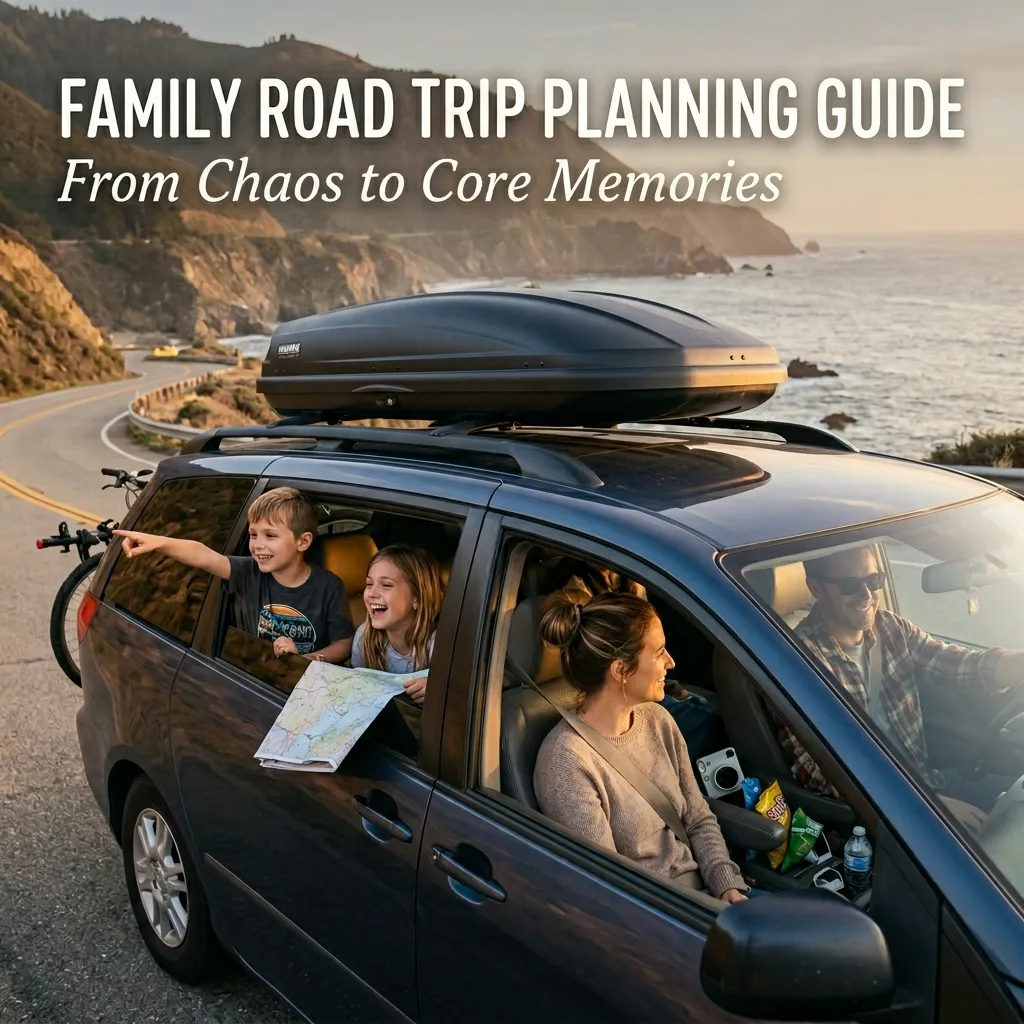
A successful family road trip comes down to three things—smart pre-trip planning, keeping everyone engaged on the road, and staying flexible when things don’t go to plan. This Family Road Trip Planning Guide walks you through every phase, from budgeting and packing to managing meltdowns and discovering themed experiences like Color Festivals and Family Wellness Retreats.
There’s something about a long stretch of open highway that feels full of possibility. The anticipation of new places, the snack bag cracked open before you’ve even left the neighborhood, the inevitable “are we there yet?” before you’ve hit the first traffic light. Family road trips are chaotic, yes—but they’re also the kind of experiences that stick. The ones your kids will bring up decades later.
The difference between a trip that becomes a treasured memory and one that becomes a cautionary tale? Planning. Not obsessive, over-scheduled planning that leaves no room for spontaneity—but the thoughtful, intentional kind that covers the essentials so you can relax into the adventure.
This Family Road Trip Planning Guide covers everything: how to choose your route, what to pack, how to keep kids entertained without resorting to screens for six straight hours, and which Family Travel Mistakes to Avoid before you even reverse out of the driveway. Whether you’re a first-timer or a seasoned road trip family looking to level up your approach, there’s something here for you.
Pre-Trip Planning — Laying the Foundation for Fun
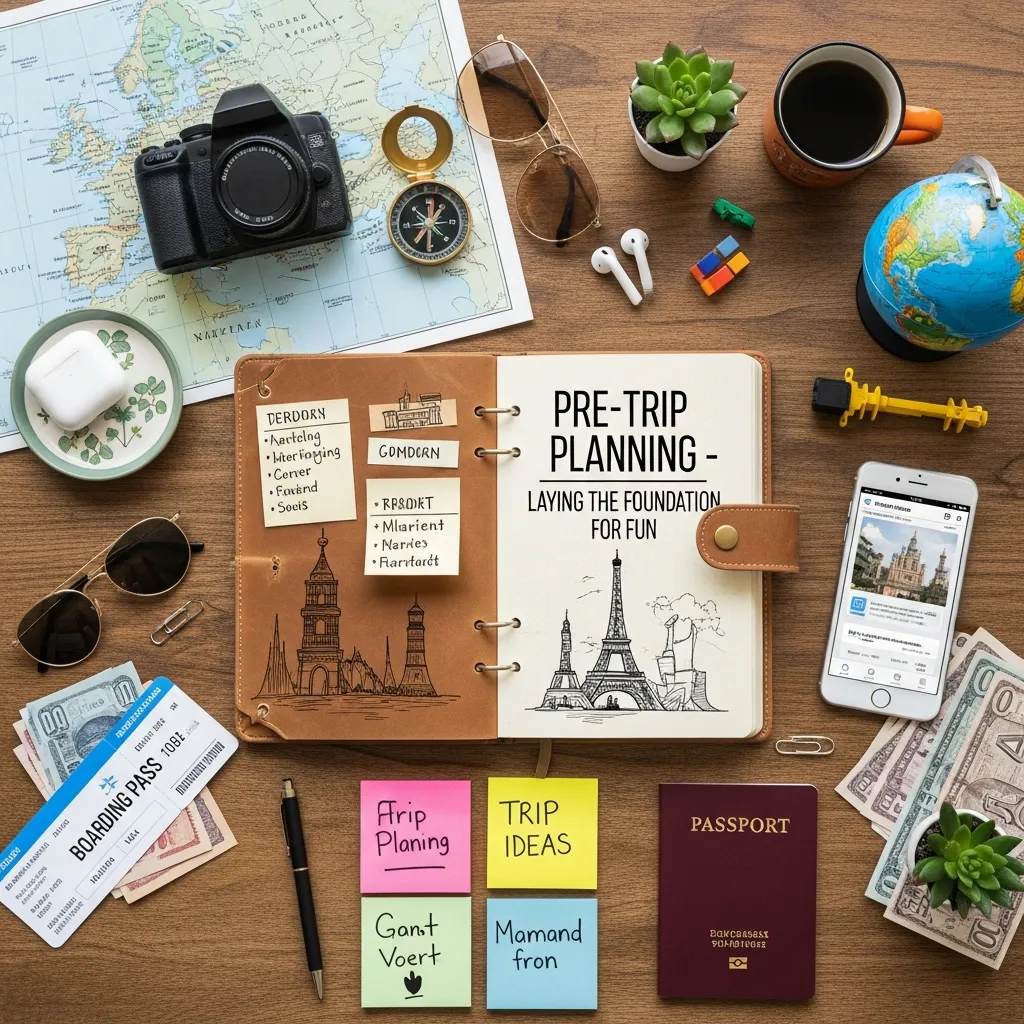
How should you choose your destination and route as a family?
The first rule of stress-free family travel: get everyone involved early. Giving kids a say in where you’re headed—even if it’s just picking between two options you’ve already vetted—builds excitement and buy-in. It also dramatically reduces complaints once you’re actually on the road.
Once you’ve landed on a destination, map out your route with flexibility in mind. Apps like Google Maps and Roadtrippers are excellent for identifying interesting stops along the way, while a physical map can double as a fun activity for older kids who want to track the journey. The golden rule: always consider driving time versus child patience. A general guide is no more than six to eight hours of driving per day, broken into two or three sessions with proper breaks.
How do you budget for a family road trip?
Start by estimating your four core costs: fuel, accommodation, food, and activities. Once you have a rough total, add a 15–20% buffer for unexpected expenses—a flat tire, a too-good-to-pass-up roadside attraction, or an ice cream stop that somehow turns into three.
Smart ways to cut costs without cutting fun:
- Pack your own snacks and lunches. A cooler stocked with sandwiches, fruit, and drinks saves money and time.
- Look for free activities. National parks, hiking trails, beaches, and local festivals are often low-cost or free.
- Book accommodation early to lock in better rates, especially during peak seasons.
- Use fuel-tracking apps like GasBuddy to find the cheapest stations along your route.
What should you check on your vehicle before a road trip?
Never skip the pre-trip vehicle check. Have a mechanic inspect your tires (including the spare), oil levels, brake fluid, coolant, and windshield wipers before departure. If your car is due for a service, get it done before you leave—not after. Your emergency kit should include a first aid kit, jumper cables, a flashlight, bottled water, and a basic toolkit.
Car seat safety is non-negotiable. Verify that all car seats are correctly installed for your children’s age and weight, and consider a seat check at a certified inspection station if you’re unsure.
What are the best accommodation options for families on a road trip?
Each option has its trade-offs:
- Hotels offer convenience and consistency, but can be expensive for larger families.
- Vacation rentals (via Airbnb or Vrbo) provide more space, kitchen access, and a home-like feel—often at a better per-night cost for families.
- Camping is the most budget-friendly and can be a fantastic adventure, provided your family is up for it.
Booking in advance is strongly recommended for popular destinations and peak travel periods. That said, leave a little room for spontaneity—some of the best overnight stops are the ones you stumble upon.
How should you pack for a family road trip without overpacking?
Overpacking is one of the most common Family Travel Mistakes to Avoid. A car stuffed to the roof creates stress and leaves no room for anything you pick up along the way.
Give each family member their own bag with their essentials—this builds accountability and makes unpacking at each stop far easier. Pack clothing for the weather you expect, plus a layer for surprises. Don’t forget medications, sunscreen, and any comfort items that help younger children sleep in new places. For entertainment, a mix of physical items (books, travel games, coloring supplies) and digital options (downloaded movies, audiobooks) gives you flexibility.
On the Road — Keeping Everyone Happy and Engaged
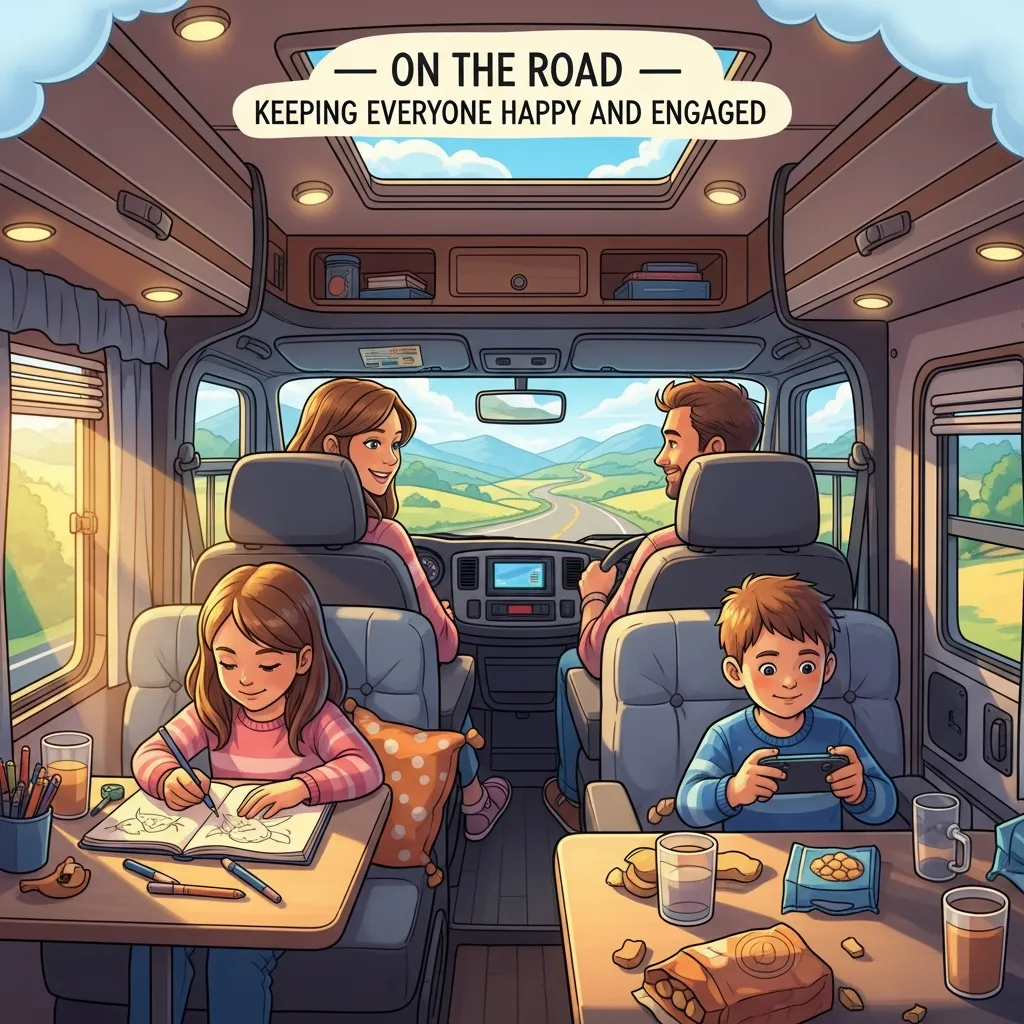
What are the best ways to keep kids entertained on a long road trip?
Screen time has its place, but leaning on it exclusively tends to lead to headaches (literally and figuratively). A better approach: rotate between screen-free activities and digital options throughout the day.
Classic road trip games—20 Questions, the License Plate Game, I Spy—require zero equipment and tend to get everyone laughing. Singalongs are underrated. A shared playlist that spans everyone’s taste is worth building before you leave. For quieter stretches, audiobooks and podcasts designed for families (like “Wow in the World” for younger kids) are genuinely engaging for all ages.
What snacks and meals work best during a family road trip?
Healthy, mess-free, and easy to eat in a car seat—that’s the trifecta. Think:
- Grapes, apple slices, and baby carrots
- Cheese sticks and crackers
- Trail mix and granola bars
- Hummus in individual portions with pretzel sticks
Avoid anything too crumbly, greasy, or strongly scented in an enclosed car. Plan a proper picnic lunch at a scenic rest stop when possible—it breaks up the day and gives everyone a chance to move.
Hydration matters more than most parents expect. Bring a refillable water bottle for each family member and make it a habit to refill at every fuel stop.
How do you handle meltdowns and sibling arguments on a road trip?
Prevention is more effective than intervention. Build regular breaks into your schedule—every two hours is a good benchmark—and use those stops for stretching, running around, and resetting. Kids who’ve had a chance to burn energy are far more cooperative passengers.
When conflict does arise, avoid getting drawn into the argument from the driver’s seat. Have a designated “co-pilot” parent who manages the back seat. Positive reinforcement works well: a small reward system for good behavior (extra screen time at the end of the day, choosing the next rest stop activity) keeps motivation high.
How do you make the most of unexpected detours or plan changes?
The families who enjoy road trips most are the ones who hold their plans loosely. A road closure or a sudden rainstorm isn’t a disaster—it’s a redirection. Some of the most memorable stops on any trip are the ones nobody planned.
Build buffer time into each driving day so that a detour doesn’t throw off the entire schedule. Keep a short list of backup activities or attractions near your route, so you always have options if Plan A falls apart.
Phase 3: Enhancing the Experience — Beyond the Basics
What does a stress-free family travel approach actually look like in practice?
The Stress-Free Family Travel mindset starts before you leave home. It means packing the night before (not the morning of), having a clear driving plan for Day 1, and making sure everyone—including parents—has had enough sleep.
On the road, delegate responsibilities. Older kids can be in charge of the snack bag, navigation updates, or finding music. Younger children can be responsible for their own small backpack. Sharing the load reduces the mental burden on parents and makes kids feel invested in the trip’s success.
Parental self-care matters, too. Tag-team driving where possible. Stop for coffee. Take five minutes at a rest area to walk alone and breathe. A burned-out parent makes for a miserable car.
What are the most common family road trip mistakes to avoid?
The most impactful Family Travel Mistakes to Avoid are:
- Overpacking. Less is genuinely more. If you’re unsure whether to bring something, leave it.
- No contingency planning. Always have backup accommodation options and a rainy-day activity list.
- Ignoring kids’ input. Children who feel unheard become uncooperative passengers.
- Driving too long without breaks. Fatigue is a safety issue, not just a comfort one.
- Skipping car maintenance. A breakdown with kids in the car, hours from home, is every parent’s nightmare.
- Rigid scheduling. Over-planning removes the joy. Leave room for the unexpected.
How can themed road trips make the experience more memorable?
Themed trips give a journey a sense of narrative and purpose. Some ideas worth considering:
Color Festivals: Planning your route around vibrant local Color Festivals—like Holi celebrations or tulip festivals—adds a sensory, cultural dimension that kids remember. These events are also naturally photogenic and highly shareable.
Educational road trips: Build stops around history, science, or nature. Living history museums, natural landmarks, and science centers make learning feel like exploration.
Family Wellness Retreats: Family Wellness Retreats Consider incorporating a Family Wellness Retreat into your itinerary—a day or two at a nature resort, hot spring, or yoga retreat designed for families. These built-in rest points recharge everyone mid-trip and offer a meaningful contrast to driving days.
Memories Made, Adventures Shared
A great family road trip doesn’t happen by accident. It’s the result of thoughtful planning, realistic expectations, and the willingness to laugh when things go sideways—because they will, and that’s part of the story.
Use this Family Road Trip Planning Guide as your starting point. Choose a destination that excites everyone. Prepare your vehicle. Pack light. Build in breaks, flexibility, and a few themed surprises like Color Festivals or a Family Wellness Retreat stop. Keep the Stress-Free Family Travel blueprint in your back pocket for the harder moments. And above all, resist the urge to rush through the journey to get to the destination.
The drive is the trip. The detours are the memories. The open road is waiting.
Frequently Asked Questions
What is the best age to start taking kids on family road trips?
The Family Road Trip Planning Guide recommends that there is no single perfect age for traveling. Families enjoy successful road trips with infants, toddlers, and teenagers. However, the Family Road Trip Planning Guide suggests that children aged 4 and older often make longer drives easier because they can communicate their needs and enjoy games, activities, and sightseeing more independently.
How do I create a realistic family road trip budget?
A Family Road Trip Planning Guide always starts with four major expenses: fuel, accommodation, food, and activities. Use current fuel prices and your vehicle’s fuel efficiency to estimate travel costs. The Family Road Trip Planning Guide also recommends adding a 15–20% emergency buffer for unexpected expenses, detours, or last-minute bookings.
How many hours should you drive per day on a family road trip?
According to a Family Road Trip Planning Guide, six to eight hours of total driving per day is ideal. Break the journey into smaller driving sessions with regular rest stops. The Family Road Trip Planning Guide advises even shorter driving periods when traveling with toddlers or young children.
What are the most important items on a family road trip packing list?
Every Family Road Trip Planning Guide recommends packing weather-appropriate clothing, medications, a first aid kit, reusable water bottles, snacks, entertainment, chargers, maps, and child safety essentials. A complete Family Road Trip Planning Guide also suggests keeping emergency supplies easily accessible.
How do you keep young children entertained on a long drive?
The Family Road Trip Planning Guide recommends rotating activities throughout the trip. Combine audiobooks, travel games, coloring books, singalongs, and limited screen time. A Family Road Trip Planning Guide also suggests surprise toys or activity packs to keep younger children engaged during long drives.
What snacks are best for a family road trip?
A Family Road Trip Planning Guide recommends healthy, mess-free snacks such as grapes, cheese sticks, crackers, granola bars, trail mix, yogurt, and hummus cups. Following a Family Road Trip Planning Guide helps reduce unnecessary stops while keeping everyone energized.
What should be in a family road trip emergency kit?
Every Family Road Trip Planning Guide recommends including a first aid kit, jumper cables, flashlight, spare batteries, bottled water, phone charger, basic tools, reflective triangles, blankets, and emergency contact information. A well-prepared Family Road Trip Planning Guide emphasizes safety before every journey.
How do you handle car sickness on a road trip?
A Family Road Trip Planning Guide recommends seating children where they can easily see the road ahead, encouraging them to focus on the horizon, avoiding screens on winding roads, and carrying motion sickness medication if needed. These simple Family Road Trip Planning Guide tips help minimize discomfort.
What are some examples of themed road trips for families?
The Family Road Trip Planning Guide recommends fun themes such as Color Festivals, national parks, historical routes, wildlife adventures, beach hopping, food trails, and a Family Wellness Retreat. A themed Family Road Trip Planning Guide makes travel more engaging for both kids and adults.
What is a Family Wellness Retreat and how does it fit into a road trip?
A Family Road Trip Planning Guide recommends including a Family Wellness Retreat during longer journeys. Spending one to three days at a nature lodge or wellness resort allows families to relax through hiking, yoga, spa treatments, and outdoor activities before continuing their adventure.
How do I avoid the most common family road trip mistakes?
The Family Road Trip Planning Guide recommends avoiding common mistakes such as overpacking, skipping vehicle maintenance, driving for too many hours without breaks, overscheduling the itinerary, and failing to budget for emergencies. Following a Family Road Trip Planning Guide creates a smoother, less stressful travel experience.
How do you make a family road trip educational without it feeling like school?
A Family Road Trip Planning Guide recommends turning educational experiences into adventures by visiting museums, national parks, science centers, cultural festivals, and historical landmarks. The Family Road Trip Planning Guide also suggests giving children travel journals, scavenger hunts, or photography challenges to make learning fun throughout the journey.