

A stress-free family vacation comes down to three things: choosing kid-friendly destinations, planning with realistic expectations, and packing smart. This Stress-Free Family Travel Guide covers destination tips, safety advice, entertainment ideas, and the travel accessories that make journeys with children far smoother.
Family trips promise sandcastles, laughter, and photos you’ll treasure for years. They can also bring meltdowns at the airport, forgotten chargers, and a toddler who refuses to nap. The difference between chaos and calm usually isn’t luck—it’s preparation.
This Stress-Free Family Travel Guide pulls together practical strategies that real parents use to travel well with kids of all ages. You’ll learn how to pick the right destination, dodge the most common family travel mistakes to avoid, keep everyone safe, and turn long transit hours into something close to fun. By the end, you’ll have a clear plan to make your next trip enjoyable for the grown-ups and the little ones alike.
Whether you’re heading to a nearby beach or boarding a long-haul flight, the goal stays the same: less stress, more memories. Let’s get into it.
How do you plan a stress-free family adventure?
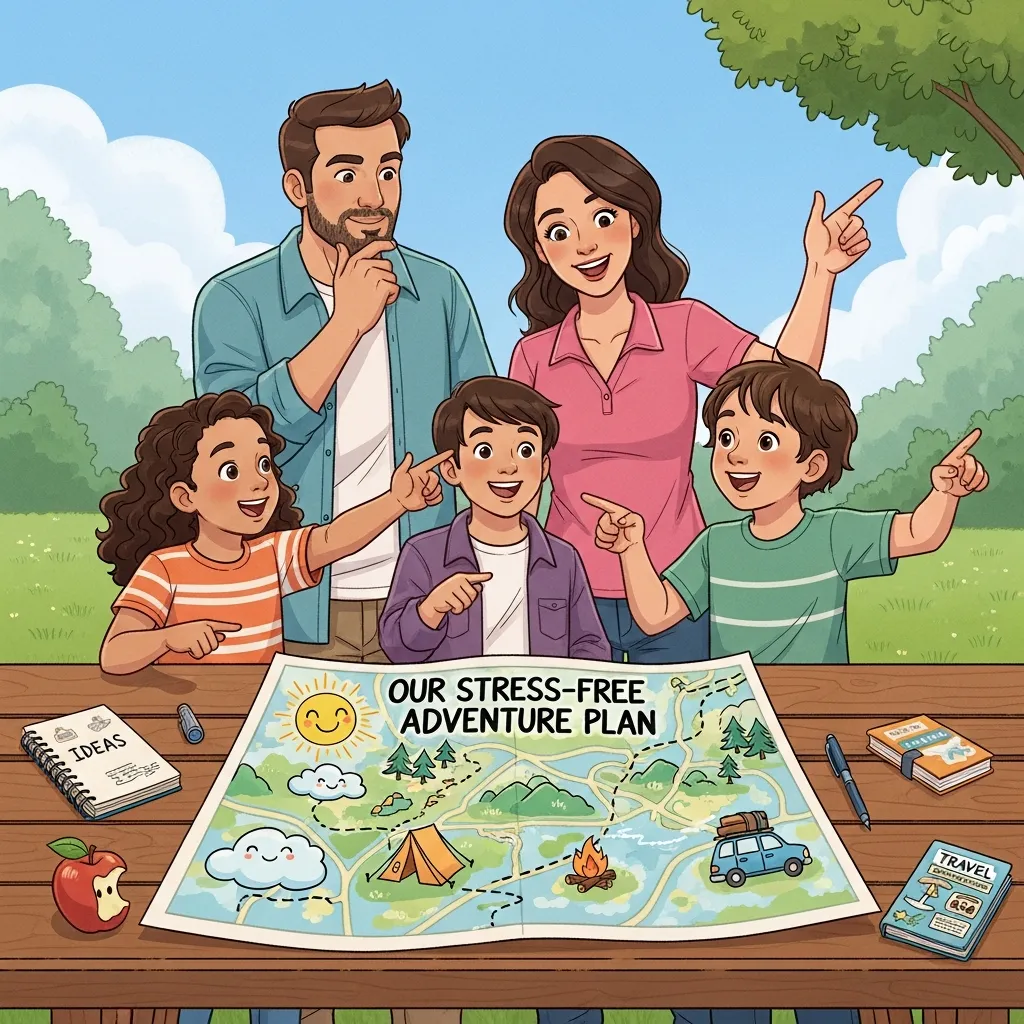
Good planning is the backbone of any smooth trip. When you sort the big decisions early, the small surprises feel manageable instead of overwhelming.
How do you choose a family-friendly destination?
Pick a place that matches your family’s pace and ages. A destination packed with adult-only museums and fine dining will test a 4-year-old’s patience fast. Look for spots with a mix of activities—beaches, parks, easy hikes, and interactive attractions.
Consider these factors before booking:
- Travel time: Shorter journeys mean fewer chances for boredom and burnout. For younger kids, flights under four hours are far easier to manage.
- Climate: Extreme heat or cold can quickly wear children out. Mild, predictable weather gives you more flexibility.
- Healthcare access: Choose places with reliable medical facilities nearby, especially when traveling with infants or kids with allergies.
- Kid amenities: Family resorts, vacation rentals with kitchens, and cities with stroller-friendly streets remove daily friction.
Beach towns, national parks, and family-focused resorts consistently rank as the easiest destinations for stress-free family vacations.
How do you budget for family travel?
A clear budget prevents money stress from creeping into your trip. Start by listing your fixed costs—flights, accommodation, and transport—then add a daily spending estimate for food and activities.
Smart ways to stretch your travel dollars:
- Book flights and hotels several months ahead for better rates.
- Choose accommodations with kitchens so you can prepare some meals instead of eating out for every one.
- Look for destinations where kids stay or eat free.
- Set aside a 10–15% buffer for unexpected costs like medicine, extra snacks, or a last-minute activity.
Tracking spending in a simple app during the trip keeps you from overshooting and removes the end-of-vacation budget shock.
What should families pack beyond clothes?
Clothes are the easy part. The items that save your trip are the ones parents often forget.
Build your packing list around comfort, health, and entertainment:
- A compact first-aid kit with children’s pain relief, bandages, and any prescriptions.
- Snacks for transit and downtime—hunger triggers more meltdowns than almost anything else.
- Familiar comfort items, like a favorite blanket or stuffed animal, to help kids sleep in new places.
- Copies of important documents, stored both physically and digitally.
Pack a change of clothes for each child in your carry-on. Spills and accidents always seem to happen at the worst possible moment.
What are the most common family travel mistakes to avoid?
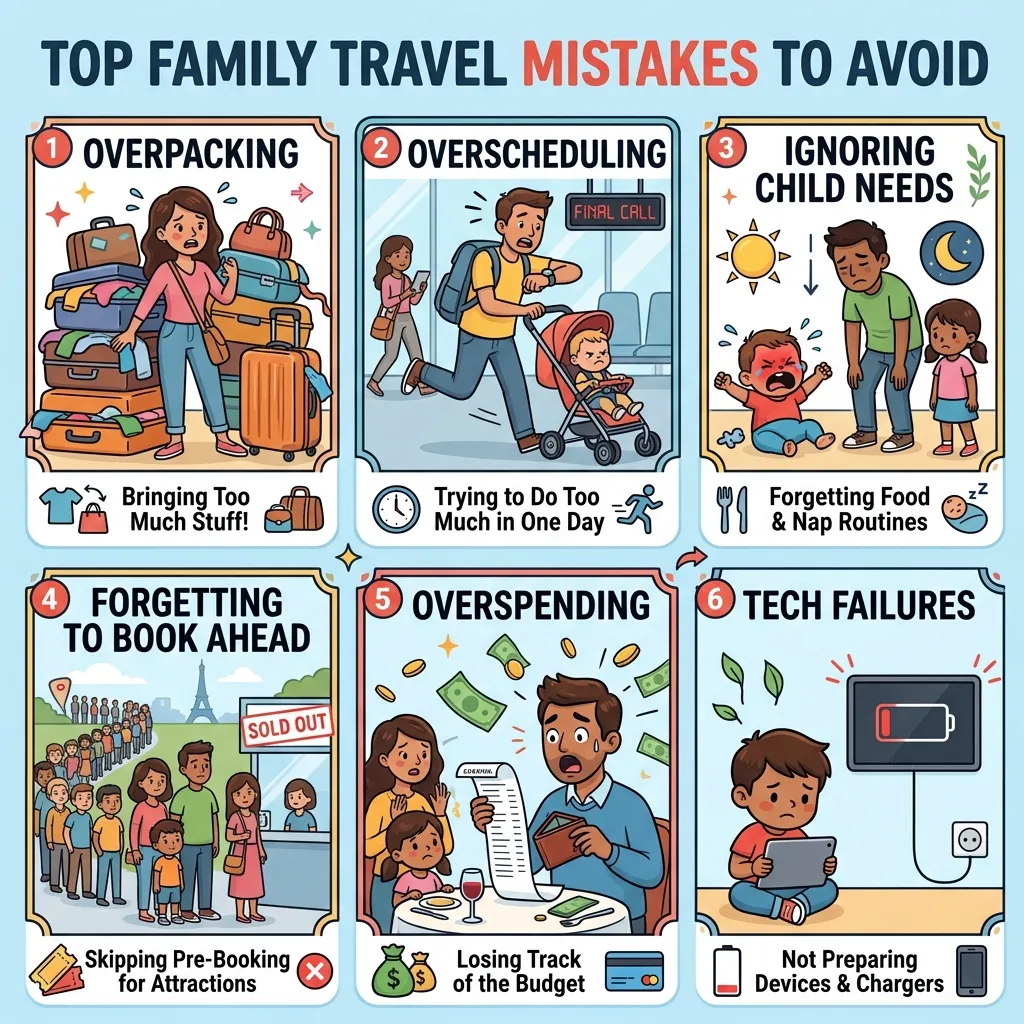
Many travel headaches come from a handful of repeat mistakes. Knowing the family travel mistakes to avoid lets you sidestep them before they happen.
Why is over-scheduling a problem on family trips?
Cramming five attractions into one day sounds efficient, but it exhausts everyone. Children need downtime to rest, play, and process new experiences. A packed itinerary often leads to tired, cranky kids and stressed parents.
Plan one or two main activities per day and leave the rest open. Some of the best travel moments come from unplanned afternoons at a playground or a slow lunch with a view.
Under-preparing is the flip side of the same coin. Skipping research on opening hours, transport options, or weather can derail your plans fast. Aim for the middle ground: prepared but flexible.
How do you manage expectations for kids and adults?
Set realistic expectations before you leave. Talk with your kids about where you’re going, what you’ll do, and what behavior you expect. When children know what to anticipate, they handle change better.
For adults, accept that things will go sideways occasionally. A delayed flight or a rained-out beach day isn’t a failure—it’s part of travel. Families who stay flexible enjoy their trips far more than those chasing a perfect itinerary.
How do you keep your family safe while traveling?
Safety planning gives you peace of mind so you can actually relax. A solid family travel safety guide covers both health and security.
How do you protect your family’s health on the go?
Healthy kids make for happy trips. A few simple habits go a long way:
- Keep everyone hydrated, especially in warm climates or during flights.
- Pack hand sanitizer and wipes to cut down on germs in transit.
- Maintain regular meal and sleep routines as much as possible to reduce crankiness.
- Research any required vaccinations well ahead of international travel.
If you’re crossing time zones, ease jet lag by adjusting bedtimes by 15–30 minutes a few days before departure and getting plenty of natural daylight on arrival.
What security and emergency steps should families take?
Prepare for the unexpected so it never catches you off guard. A strong family travel safety guide includes:
- Sharing your itinerary with a trusted friend or relative back home.
- Teaching kids your phone number and what to do if they get separated from you.
- Carrying a printed list of emergency contacts and your accommodation’s address.
- Knowing the location of the nearest hospital or clinic at your destination.
For international trips, register with your embassy if your country offers that service, and keep travel insurance details handy.
How do you make travel enjoyable for everyone?
A stress-free trip isn’t only about avoiding problems—it’s about creating fun for every age group.
How do you keep kids entertained during transit?
Transit time is where many trips unravel. Long flights, train rides, and car journeys test even the calmest child. Come prepared with a mix of entertainment:
- Download movies, games, and audiobooks before you leave.
- Pack small, mess-free toys and activity books.
- Bring a steady supply of snacks.
- Plan a few surprise items to pull out when boredom peaks.
Rotating activities every 30–45 minutes keeps young kids engaged longer than handing over everything at once.
What activities work for all ages, from night-time festivals to nature hikes?
Choose experiences that give everyone something to enjoy. Easy nature hikes let kids explore while adults soak in the scenery. Beaches offer endless play with little setup.
Night-time festivals are a wonderful way to experience local culture as a family. Many feature lights, music, food stalls, and performances that captivate children and adults alike. Look for early-evening events so younger kids can join before bedtime. Lantern festivals, holiday markets, and summer street fairs tend to be especially family-friendly.
Mixing active days with relaxed ones keeps energy levels balanced and prevents burnout.
What travel accessories make family trips easier?
The right gear can transform a difficult journey into a smooth one. The best travel accessories for families solve real problems on the road.
Which gadgets and gear smooth out the journey?
Consider these family-friendly travel accessories:
- A lightweight, foldable stroller for navigating airports and cities.
- Portable chargers to keep devices powered during long days out.
- Noise-canceling headphones sized for kids.
- A travel-friendly car seat or booster for safe ground transport.
- Insulated water bottles to keep everyone hydrated.
What are the smartest packing solutions?
Organization saves time and stress. Packing cubes keep each family member’s clothes separate and easy to find. Toiletry bags that hang free up bathroom counter space in small hotel rooms.
Roll clothes instead of folding to save space, and pack a foldable tote for souvenirs and dirty laundry on the way home. These small travel accessories make the daily routine of living out of a suitcase far less frustrating.
How do you carry travel memories into family life?
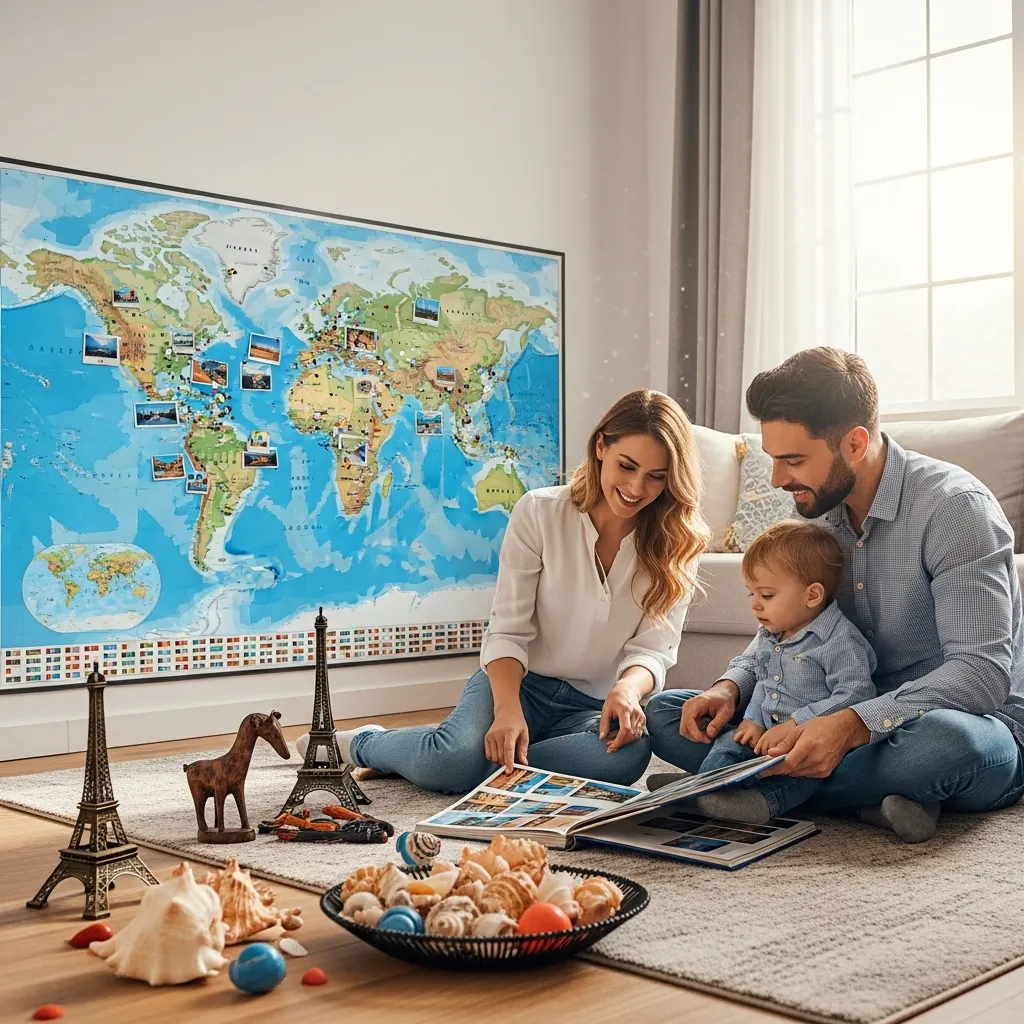
The trip doesn’t have to end when you walk back through your front door.
How do you integrate travel experiences into everyday routines?
Bring the adventure home in small ways. Cook a dish you discovered on the trip, learn a few words from a language you encountered, or display souvenirs where the family sees them daily. These touches keep the experience alive and spark excitement for future travel.
How do you create lasting family memories?
Capture moments without living behind a camera. Take photos and short videos, but also pause to simply enjoy the experience together.
After the trip, build a small photo book or scrapbook with your kids. Letting them choose their favorite pictures turns it into a shared activity and helps them remember the journey for years to come.
Conclusion
Stress-free family travel isn’t about perfection—it’s about preparation, flexibility, and realistic expectations. When you choose the right destination, plan a sensible budget, pack the essentials, and steer clear of the common family travel mistakes to avoid, you set your family up for a trip everyone enjoys.
Use this Stress-Free Family Travel Guide as your starting point. Follow a solid family travel safety guide, pack a few well-chosen travel accessories, and leave room in your schedule for spontaneous fun—including the occasional night-time festival. Start with one small change on your next trip, and watch how much smoother the journey becomes.
Frequently Asked Questions
What are the best destinations for a Stress-Free Family Travel Guide?
The best destinations for a Stress-Free Family Travel Guide include beach towns, national parks, and family-friendly resorts. These destinations offer kid-friendly amenities, safe environments, healthcare access, and activities for all ages. Choosing places with short travel times and mild weather makes every Stress-Free Family Travel Guide more enjoyable.
How do I keep my children entertained on long flights in a Stress-Free Family Travel Guide?
A Stress-Free Family Travel Guide recommends downloading movies, games, and audiobooks before departure. Pack activity books, mess-free toys, healthy snacks, and a few surprise treats. Rotating activities every 30–45 minutes helps children stay entertained and makes your Stress-Free Family Travel Guide much smoother.
What are some common family travel mistakes to avoid in a Stress-Free Family Travel Guide?
Every Stress-Free Family Travel Guide recommends avoiding over-scheduling and under-preparing. Planning too many activities can overwhelm children, while failing to research weather, transportation, and opening hours creates unnecessary stress. A flexible itinerary is essential for a successful Stress-Free Family Travel Guide.
What should I pack for a family trip with young children in a Stress-Free Family Travel Guide?
A Stress-Free Family Travel Guide recommends packing a compact first-aid kit, snacks, comfort items, travel documents, medications, and extra clothes for each child. Keeping these essentials in your carry-on helps you handle unexpected situations with ease.
How can I make sure our Stress-Free Family Travel Guide is followed effectively?
To follow a Stress-Free Family Travel Guide, share your itinerary with someone at home, teach children your phone number, carry emergency contacts, know the nearest hospital, and keep travel insurance details readily available. These simple steps make every family trip safer and less stressful.
Are there any travel accessories recommended in a Stress-Free Family Travel Guide?
Yes. Every Stress-Free Family Travel Guide recommends lightweight foldable strollers, portable chargers, kid-sized noise-canceling headphones, travel car seats, reusable water bottles, and packing cubes. These accessories simplify travel and keep families organized.
How do I stick to a budget with a Stress-Free Family Travel Guide?
A Stress-Free Family Travel Guide suggests listing fixed expenses first, estimating daily costs, booking accommodations early, choosing places with kitchens, looking for family discounts, and keeping a small emergency fund. Budget tracking apps also help you stay on target throughout your trip.
What are some fun activities recommended in a Stress-Free Family Travel Guide?
A Stress-Free Family Travel Guide encourages families to enjoy nature hikes, beaches, local markets, museums, and community events instead of crowded tourist attractions. These activities provide authentic experiences while reducing stress and creating lasting memories.
How can I find night-time festivals using a Stress-Free Family Travel Guide?
A Stress-Free Family Travel Guide recommends checking local tourism websites and event calendars before your trip. Family-friendly lantern festivals, holiday markets, and evening cultural events are great options that combine entertainment with local traditions.
What’s the best way to deal with jet lag according to a Stress-Free Family Travel Guide?
A Stress-Free Family Travel Guide suggests adjusting children’s bedtime gradually before departure, encouraging outdoor daylight after arrival, keeping everyone hydrated, and following the local schedule as quickly as possible. Most children adjust within a few days.
How can I make travel educational with a Stress-Free Family Travel Guide?
A Stress-Free Family Travel Guide encourages children to help plan the trip, visit museums, try local foods, learn simple phrases, and explore local history and culture. These hands-on experiences make travel both educational and enjoyable.
What documents are essential in a Stress-Free Family Travel Guide?
Every Stress-Free Family Travel Guide recommends carrying valid passports, visas when required, travel insurance documents, vaccination records, birth certificates for children, and both printed and digital copies of important documents. Being prepared helps prevent unnecessary travel stress.






[…] Stress-free family travel doesn’t happen by accident. It’s the result of deliberate planning—and insurance is a central part of that plan. […]