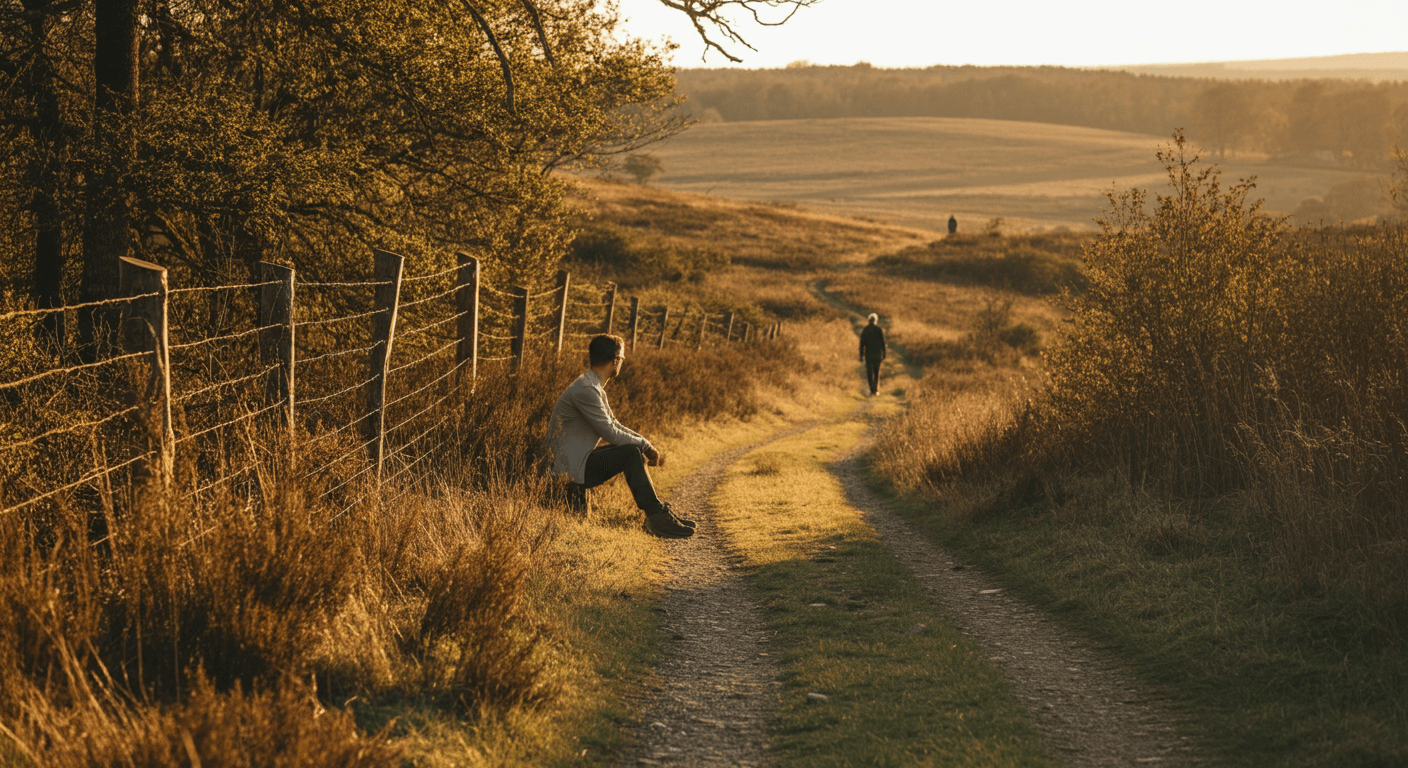
In a world that glorifies speed, efficiency, and ticking boxes, the very idea of travel has often been distilled into a frantic race against time. We see it in the whirlwind “10 countries in 12 days” tours, the Instagram-driven dash from one landmark to another, and the exhausting feeling of needing a vacation from your vacation. But what if there was another way? What if the true essence of travel isn’t about how much you can see, but how deeply you can experience?
Welcome to the world of slow travel. It’s more than just a buzzword; it’s a philosophy, a mindset shift that champions connection over checklists and immersion over itineraries. It’s about consciously choosing to slow down, to breathe in your surroundings, and to allow a destination to reveal itself to you on its own terms. This guide is your invitation to step off the tourist treadmill and embark on journeys that are not only more relaxing and enjoyable but are also profoundly more meaningful and sustainable.
The Philosophy of Slow Travel: More Than Just a Pace
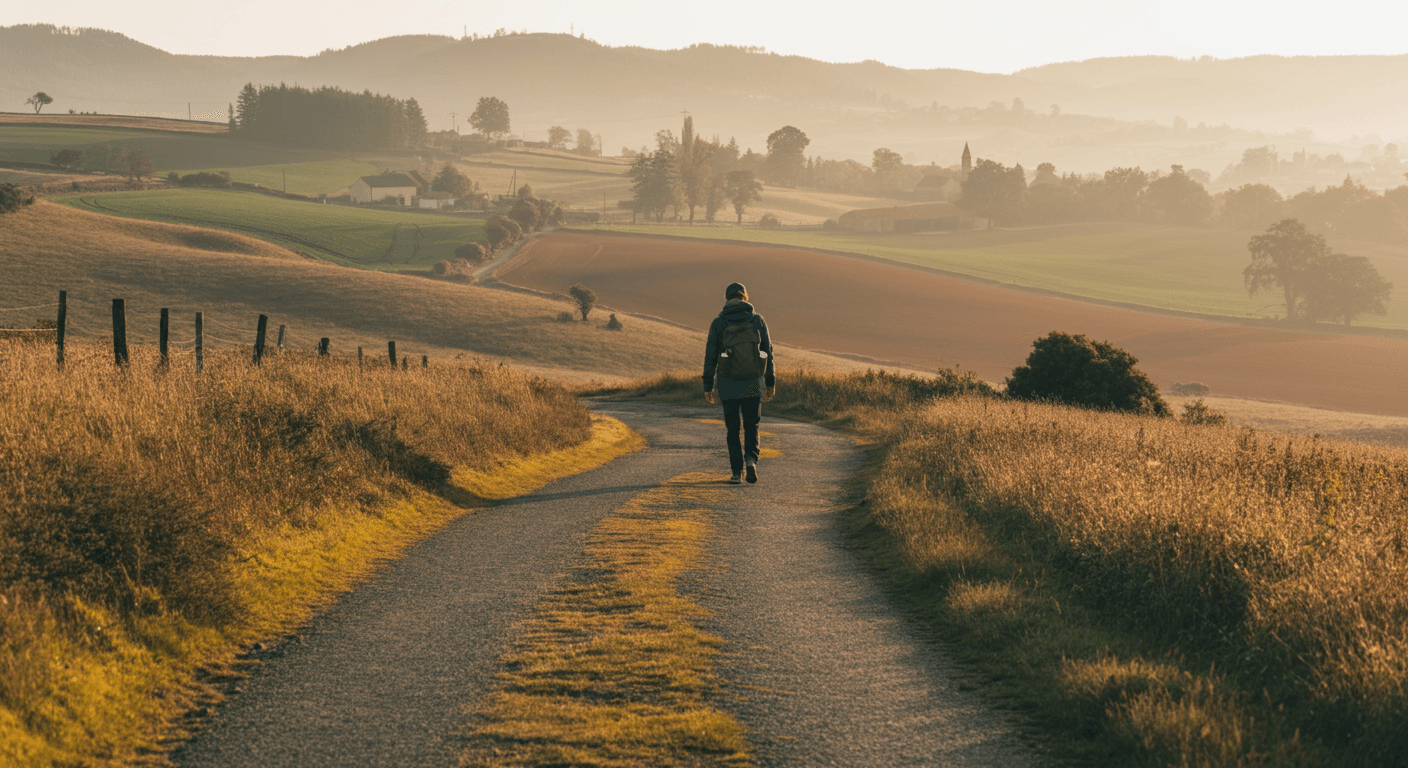
At its core, slow travel is an offshoot of the broader “Slow Food” movement that began in Italy in the 1980s as a protest against the opening of a McDonald’s near the Spanish Steps in Rome. The movement championed local culinary traditions, sustainable farming, and the pleasure of a good meal enjoyed at a leisurely pace. Similarly, slow travel applies these principles to how we explore the world.
It’s not necessarily about travelling for six months on a shoestring budget (though it certainly can be). You can practice slow travel on a two-week vacation. The key differentiator is intent.
- Quality over Quantity: Instead of trying to cram five cities into one week, a slow traveller might choose to stay in one city or region for the entire duration. This allows for a deeper understanding of the local culture, rhythm, and way of life.
- Connection over Checklists: The goal isn’t to get a photo at every famous landmark. It’s to connect with the place and its people. This might mean spending an entire afternoon in a local cafe, striking up a conversation with a shopkeeper, or simply sitting in a park and observing daily life.
- Flexibility over Fixed Itineraries: While some planning is necessary, slow travel leaves ample room for spontaneity. It’s about having the freedom to follow a recommendation from a local, to get lost on purpose, and to change your plans based on what you discover.
Contrast this with conventional mass tourism, which often treats destinations as commodities to be consumed. It encourages a surface-level engagement, where travellers are shuttled between pre-approved sights, eat at tourist-trap restaurants, and return home with a camera full of pictures but few genuine memories or connections. Slow travel is the antidote to this travel fatigue.
The Tangible Benefits of Embracing a Slower Journey
Adopting a slower pace of travel isn’t just a feel-good concept; it comes with a wealth of concrete benefits that can transform your entire travel experience.
Deeper Cultural Immersion
When you stay in one place longer, you move beyond the superficial tourist layer. You start to notice the subtleties of daily life: the time the local bakery opens, the way neighbours greet each other, the rhythm of the local market. You have time to visit smaller, lesser-known museums, explore neighbourhoods outside the city centre, and attend local events or festivals that you’d otherwise miss. This level of immersion provides a rich, authentic understanding of a culture that a fleeting visit can never offer.
Reduced Travel Burnout and Stress
The pressure to “see it all” is exhausting. Constantly packing and unpacking, rushing to catch trains, and navigating new airports every other day leads to burnout. Slow travel eliminates this stress. By minimising transit time and staying put, you give yourself permission to relax and recharge. You can unpack your suitcase, establish a temporary routine, and truly settle into your surroundings, making your vacation feel like a genuine escape rather than a logistical challenge.
Fostering Genuine Connections
Meaningful connections are rarely forged in a hurry. By frequenting the same coffee shop, market, or restaurant, you become a familiar face. This familiarity can open doors to conversations and friendships with locals that would be impossible in a whirlwind tour. You might get an insider tip on the best place for gelato, an invitation to a family dinner, or simply a warm smile of recognition. These are the moments that often become the most cherished travel memories.
Supporting Local Economies More Effectively
Slow travellers are more likely to spend their money in ways that directly benefit the local community. Instead of relying on international hotel chains and tour companies, you might rent an apartment from a local owner, shop at neighbourhood markets for groceries, and dine at small, family-run restaurants. This approach ensures that your tourism dollars are distributed more equitably and contribute to the sustainability of the local economy.
A More Sustainable and Eco-Friendly Approach
Constant travel, especially by air, carries a significant carbon footprint. By reducing the number of locations you visit on a single trip, you inherently lessen your environmental impact. Slow travel encourages the use of more sustainable transportation methods like trains, buses, or even bicycles for local exploration. It aligns with the principles of responsible and eco-conscious tourism, promoting a way of seeing the world that respects and preserves it for future generations.
How to Plan Your First Slow Travel Adventure: A Practical Guide
Making the switch to slow travel involves a conscious shift in both mindset and planning. Here’s a step-by-step guide to help you craft your first slow journey.
Step 1: Shifting Your Mindset (Before You Book Anything)
The most crucial step happens before you even look at a map. You must consciously let go of the Fear Of Missing Out (FOMO). Accept that you cannot see and do everything. Instead, reframe your goal: your mission is not to “conquer” a destination, but to “understand” it. Give yourself permission to have days with nothing planned, to wander aimlessly, and to find joy in the small, unexpected moments.
Step 2: Choosing the Right Destination
While you can slow travel anywhere, some destinations are more conducive to it than others. Look for a location that can serve as a rich “home base.” This could be a single, vibrant city like Kyoto, Buenos Aires, or Lisbon, which has countless neighbourhoods to explore. Alternatively, choose a region like Tuscany, the Cotswolds, or the Mekong Delta, where you can base yourself in one town and take easy day trips to surrounding villages using local transport.
Step 3: Ditching the Hour-by-Hour Itinerary
Throw away the rigid, minute-by-minute schedule. Instead, create a loose list of possibilities or themes for your trip. For example, your theme could be “exploring the culinary scene of Lyon” or “hiking the coastal paths of Cornwall.” Each day, you can pick one or two main activities and leave the rest of the day open for serendipity. A good rule of thumb is to plan only one major activity per day, leaving the afternoon free.
Step 4: Accommodation That Fosters Connection
Your choice of lodging can significantly impact your slow travel experience. Instead of an anonymous hotel, consider options that offer more of a local feel. Renting an apartment or house for a week or more allows you to shop at local markets, cook your own meals, and live like a temporary resident. Homestays or farm stays (agriturismos) provide direct interaction with local families and a deeper insight into their way of life.
Step 5: Packing for a Slower Pace
Packing light is always a good idea, but for slow travel, it’s also about packing smart. Since you’ll be in one place longer, you might have access to laundry facilities. Bring comfortable walking shoes, as you’ll be doing a lot of exploring on foot. Pack a journal and a pen to record your observations, a good book for leisurely afternoons in a cafe, and perhaps a small phrasebook to help you learn some local expressions.
On the Road: Daily Practices for the Mindful Traveller
Once you’ve arrived, here are some daily practices to help you fully embrace the slow travel ethos:
- Walk Everywhere: The best way to get to know a place is on foot. Walking allows you to notice the small details, discover hidden alleyways, and stumble upon unexpected gems.
- Use Public Transportation: Taking the local bus or subway is not just a cheap way to get around; it’s a cultural experience in itself. You’ll see how locals live and get a better feel for the city’s layout.
- Visit a Local Market: Markets are the beating heart of a community. Go early in the morning, observe the interactions between vendors and shoppers, try some local produce, and soak in the vibrant atmosphere.
- Learn a Few Phrases: Making an effort to say “hello,” “please,” and “thank you” in the local language goes a long way. It shows respect and can open up friendly interactions.
- Unplug and Be Present: Put your phone away for a few hours each day. Instead of looking at a screen, look at the world around you. Sit on a bench and people-watch. Listen to the sounds of the city. Be fully present in the moment.
Overcoming Common Slow Travel Challenges
Transitioning to a slower pace can present its own set of challenges, but they are easily managed with the right mindset.
The Guilt of “Doing Nothing”: We are conditioned to be productive. The idea of spending an afternoon just reading a book in a park can feel indulgent or wasteful. Remind yourself that the goal of your trip is rest, connection, and experience, not productivity. “Doing nothing” is an essential part of the process.
Language Barriers: When you go off the beaten path, you may encounter fewer English speakers. See this not as a barrier but as an opportunity. Use translation apps, gestures, and a friendly smile. Often, the effort to communicate is more important than the words themselves.
Planning for Flexibility: It can feel daunting to have an open schedule. The key is to have a few anchor points—a museum you want to visit, a restaurant you want to try—and then build your days loosely around them, always leaving space for the unexpected.
Your Journey Starts Here
Slow travel is a rewarding, enriching, and ultimately more sustainable way to see the world. It’s a declaration that the journey itself is the destination. It transforms you from a mere tourist into a temporary local, a participant rather than a spectator.
So, for your next trip, I challenge you to try it. Pick one city instead of three. Unpack your bag for a whole week. Learn the name of your local barista. Swap a famous monument for a neighbourhood park. Let go of the pressure to do it all and instead, open yourself up to the profound joy of simply being. You might just find that by doing less, you experience so much more.